For the past twenty years, I have wandered through the streets and alleyways of Europe, my camera serving as both my eyes and my memory, capturing the way time gently brushes against the textures of the city. The continent unfolded beneath my feet sixty seven crossings in a single year, sometimes in hurried day trips, other times lingering for weeks. It was an era of movement, of departures and arrivals, each journey an invitation to rediscover the world anew.
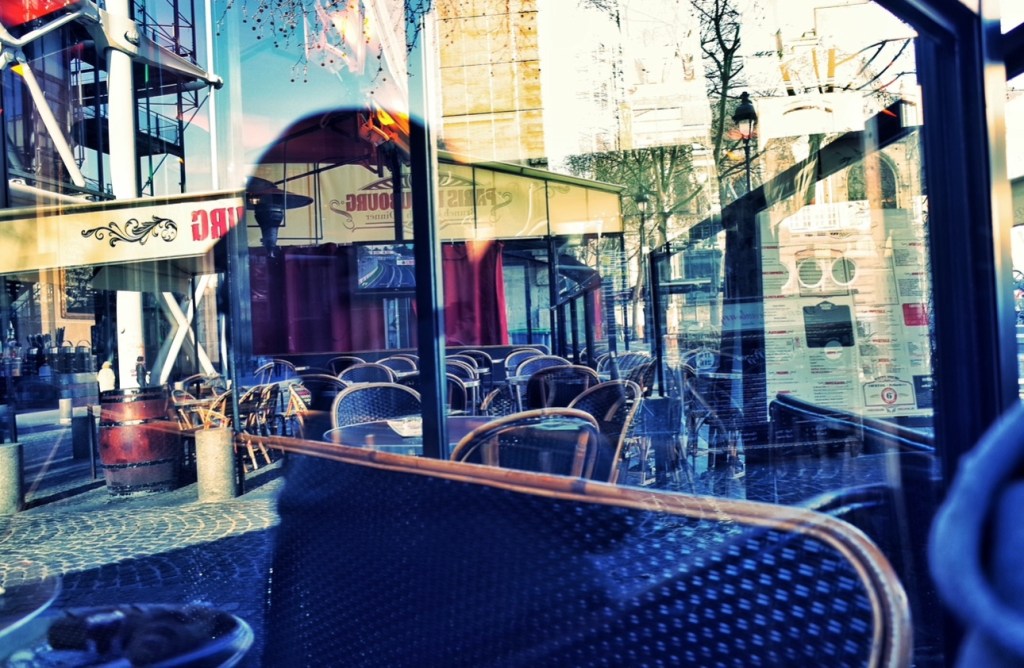
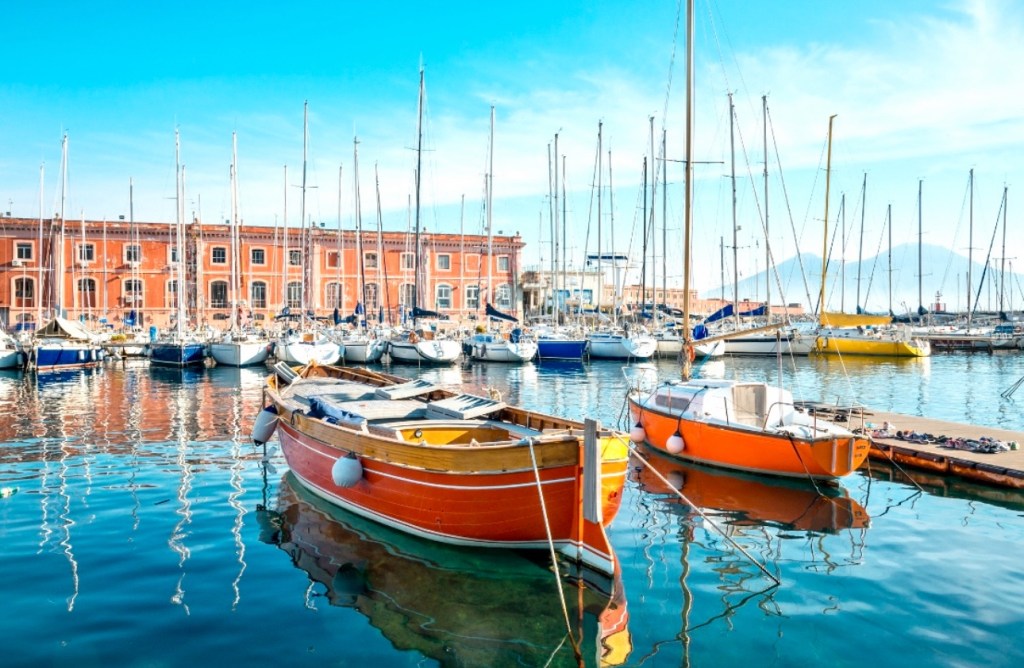
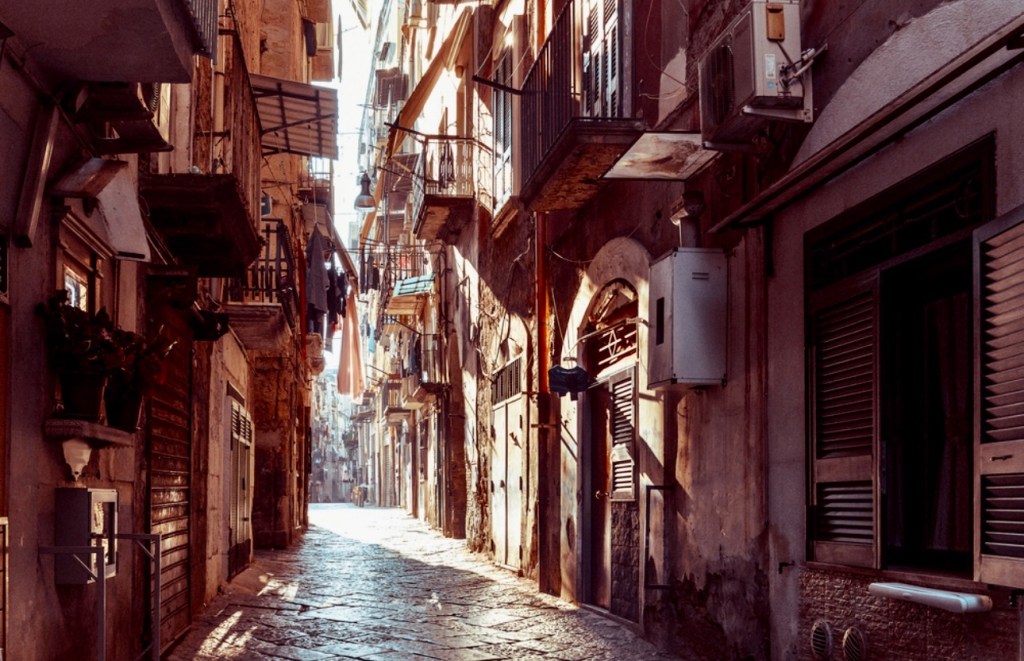
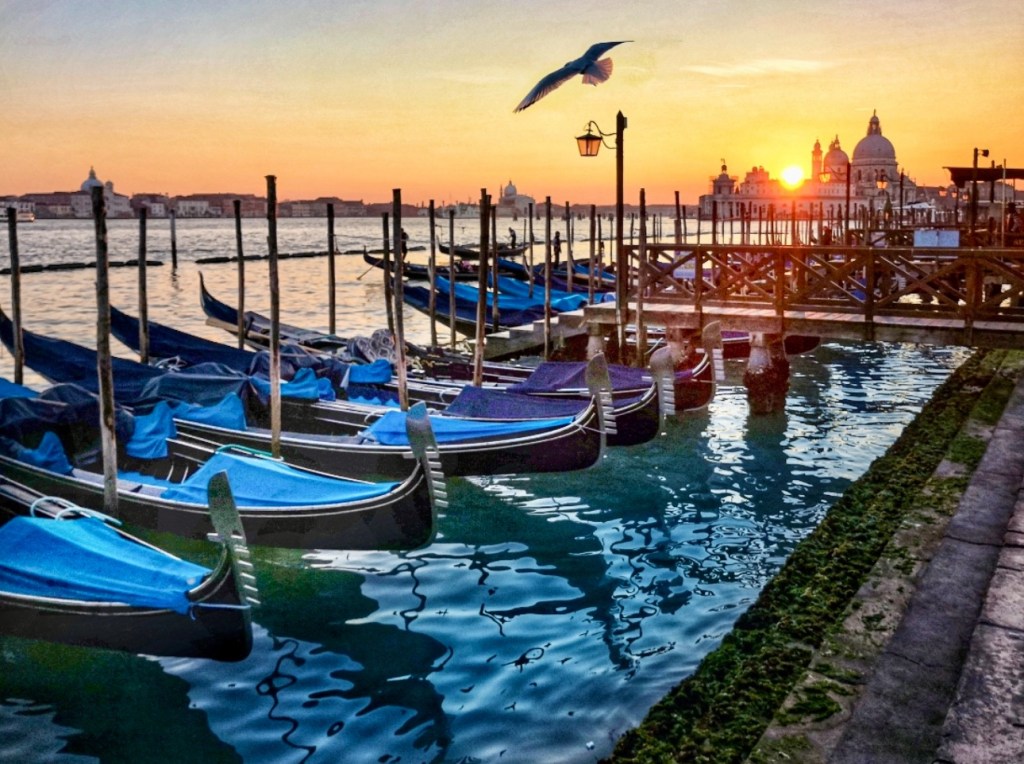
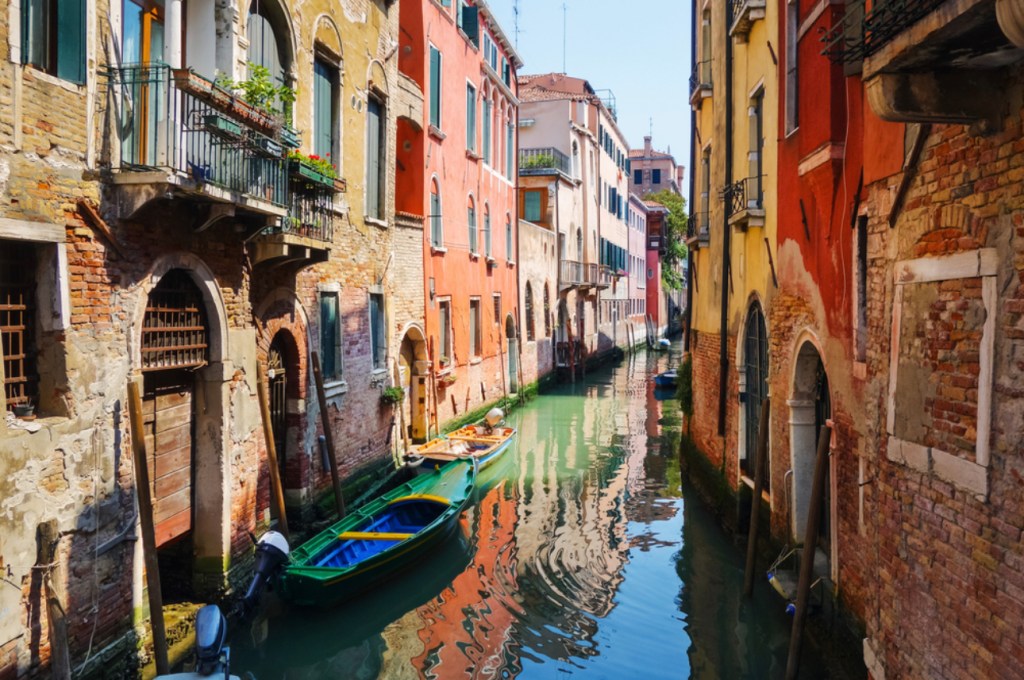
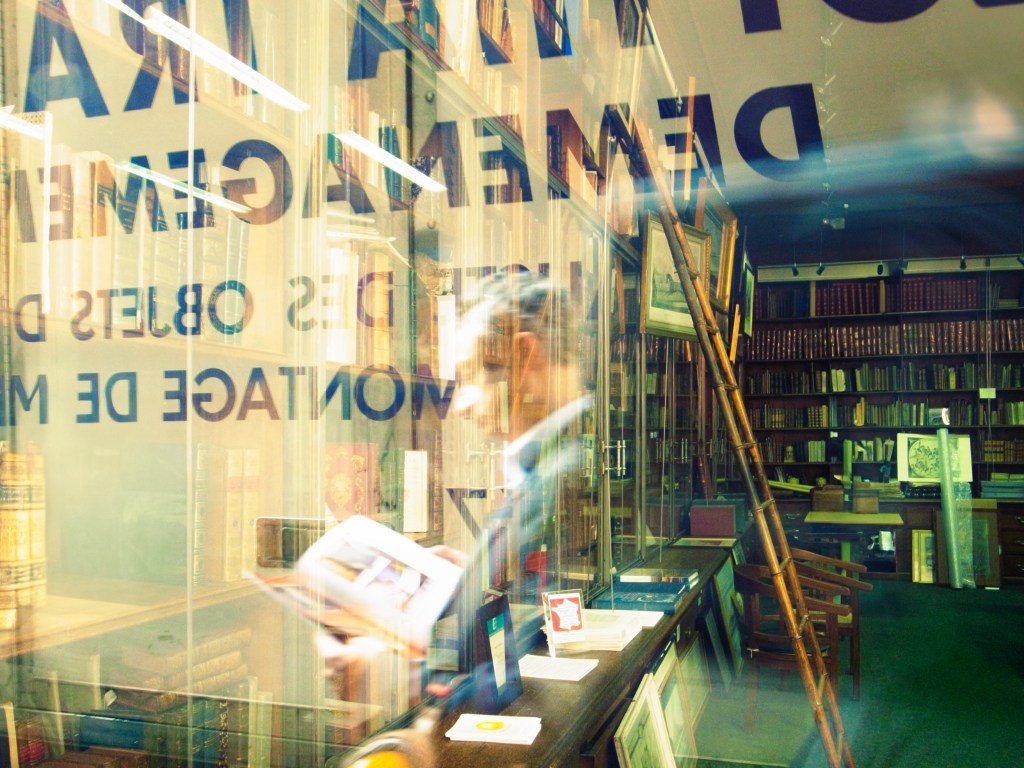
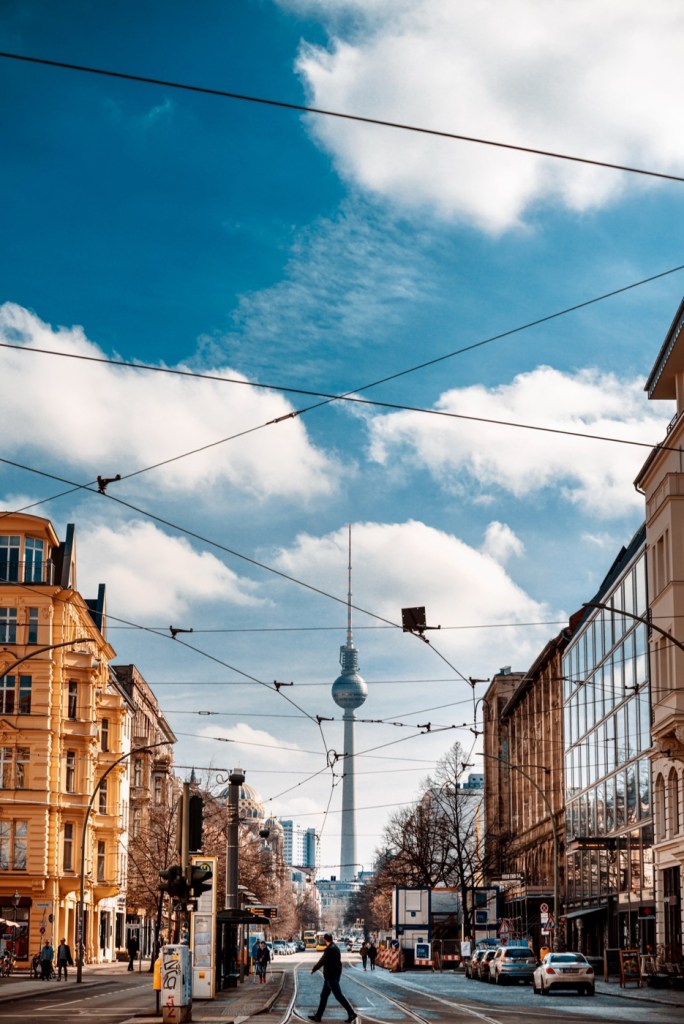
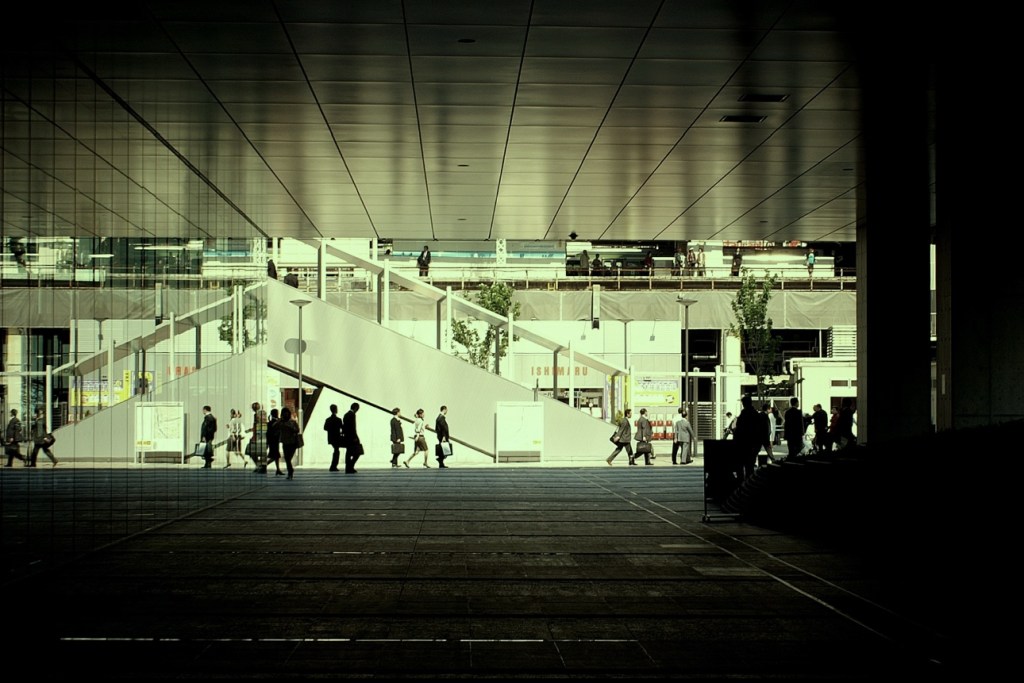
I have watched the first light of dawn spill onto the cobbled streets of Prague, seen silhouettes drift through Berlin’s underground, caught between the past and the future. In Venice, I observed gondolas slicing their reflections into glimmering fragments upon the canals. I wandered the narrow paths of Greece, listening to the whisper of the sea pushing through an open window, watching the sun cast its quiet geometry upon whitewashed walls. But these cities were never just landscapes; they were books of history bound in stone and shadow, carrying the weight of wars, revolutions, love, and the mundane poetry of everyday life. Their shifting light did not merely illuminate architecture. it revealed the soul of those who lived within them.
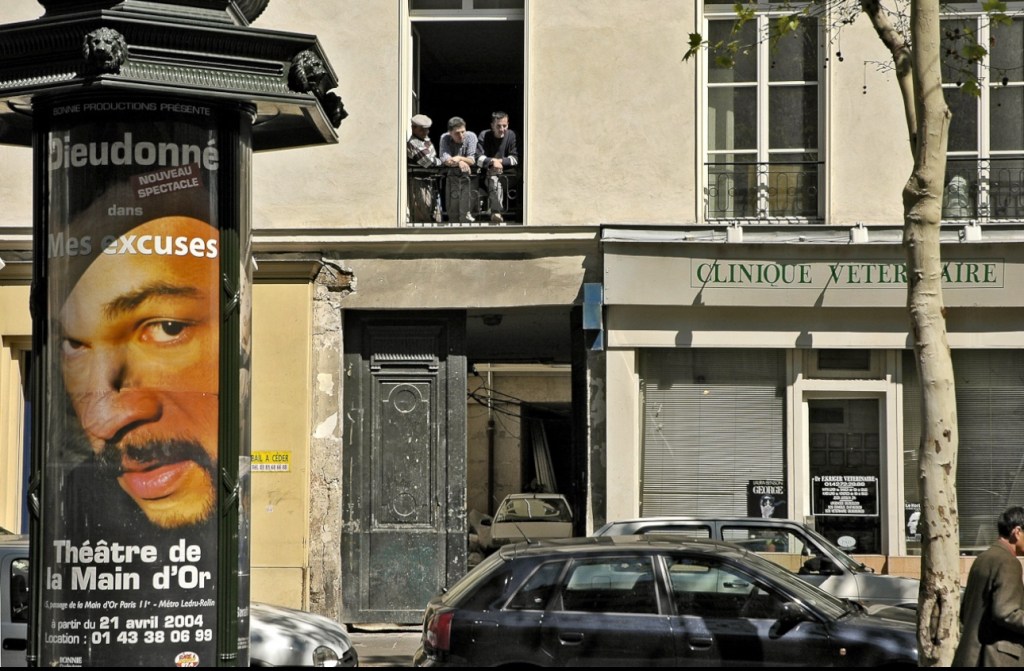
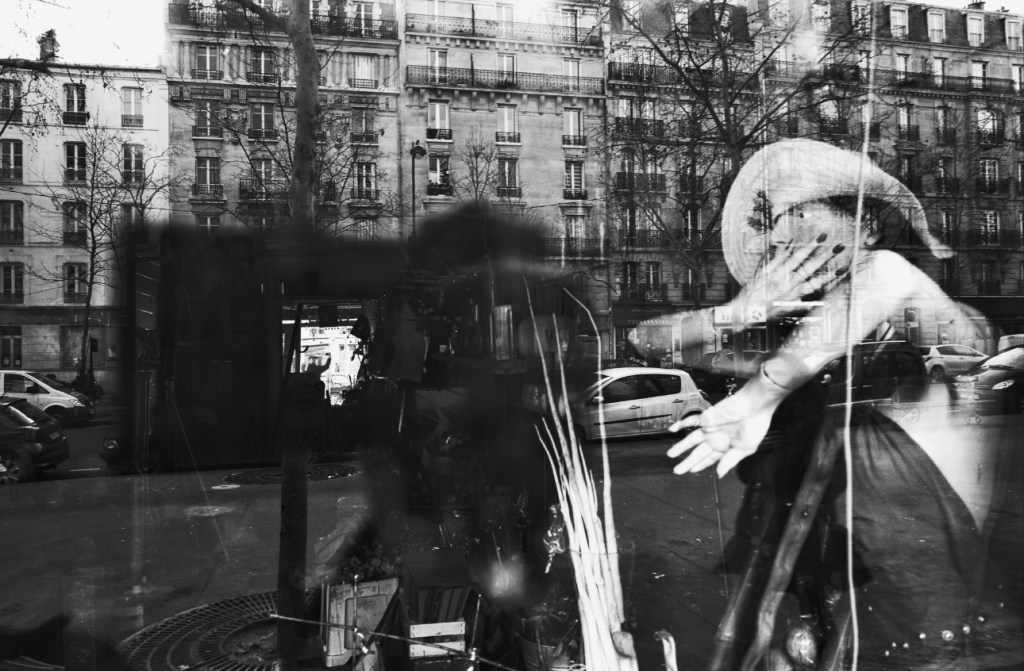
Yet, to photograph a city is not merely to record its beauty; it is to engage with its pulse, to decipher the patterns of its existence. The sociologist Georg Simmel once wrote that the modern city is defined by its collisions between history and progress, between anonymity and intimacy, between chaos and order. As a photographer, I have learned to seek these frictions, to observe the way a city holds its past while hurtling into the future. The gentrified streets of London, where Victorian facades mask a digital age; the graffiti covered walls of Lisbon, where art becomes an act of defiance; the sprawling avenues of Paris, where Haussmann’s rigid symmetry still dictates the way people move through space.
Photography as a Language of Light
Photography is an art of looking, but looking is never passive. John Berger wrote that seeing is not a mechanical process but a choice, shaped by memory, experience, and emotion. What a photographer notices in a foreign city is never objective. it is filtered through personal history, through moods and unspoken thoughts. The world before us is never just what it is, it is what we are in that moment.
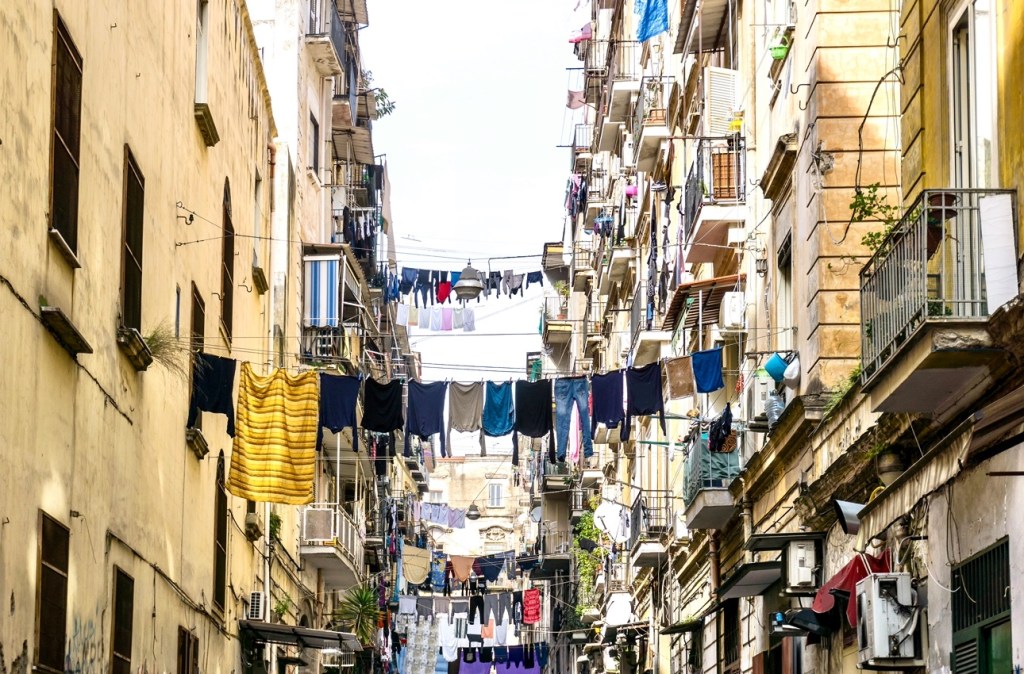
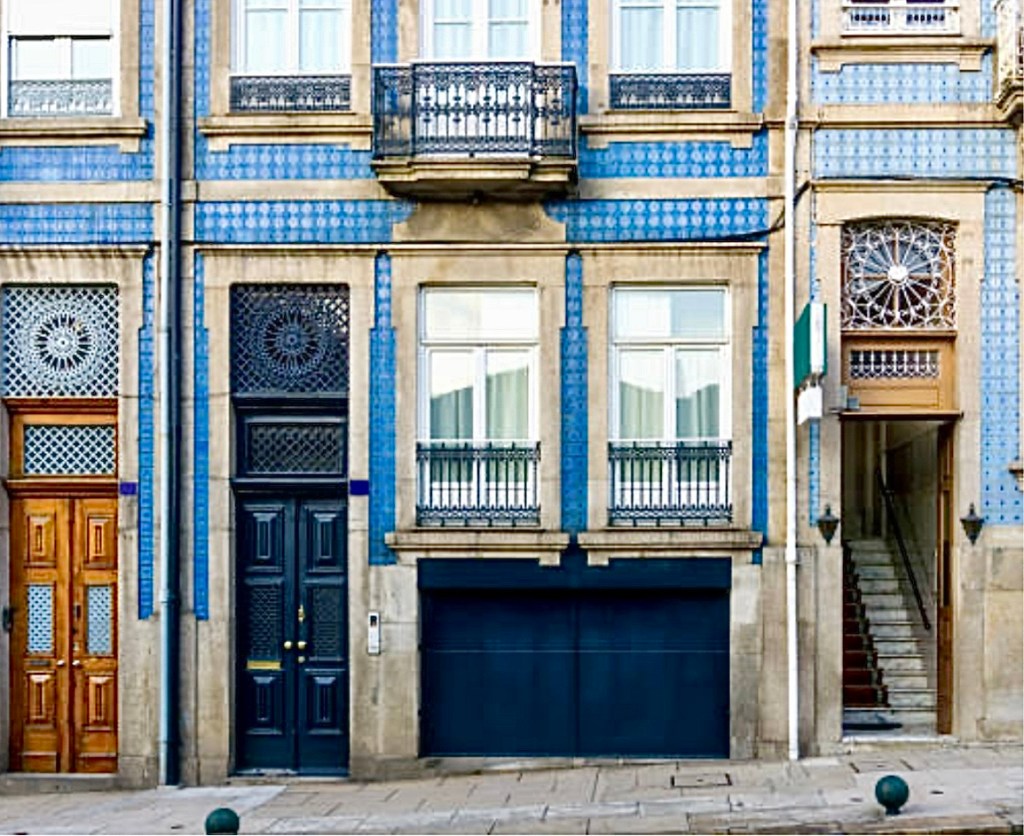
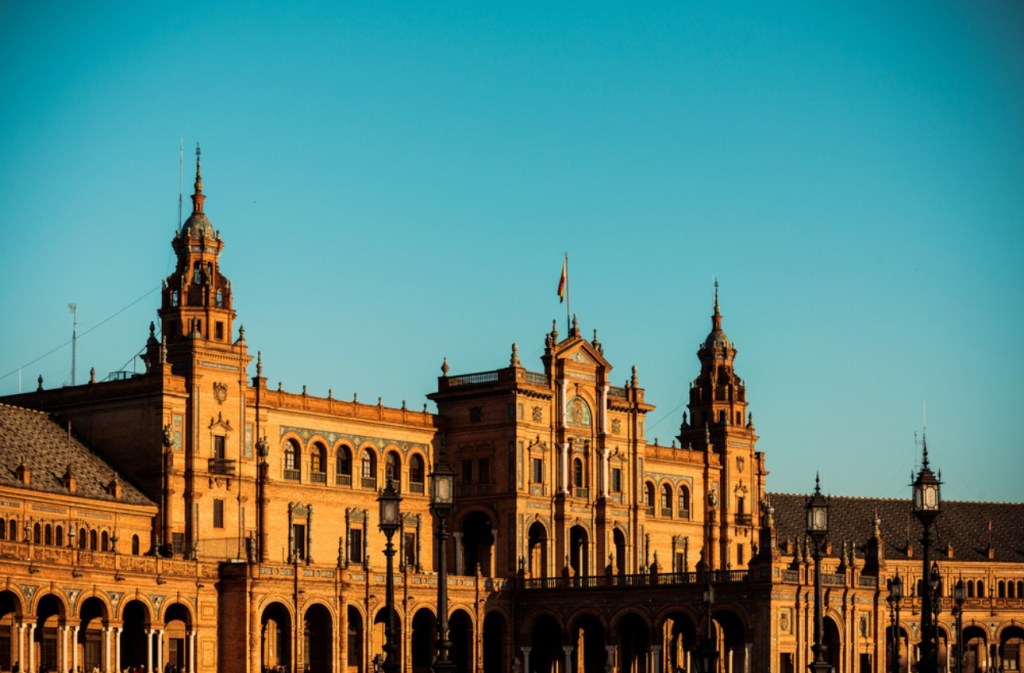
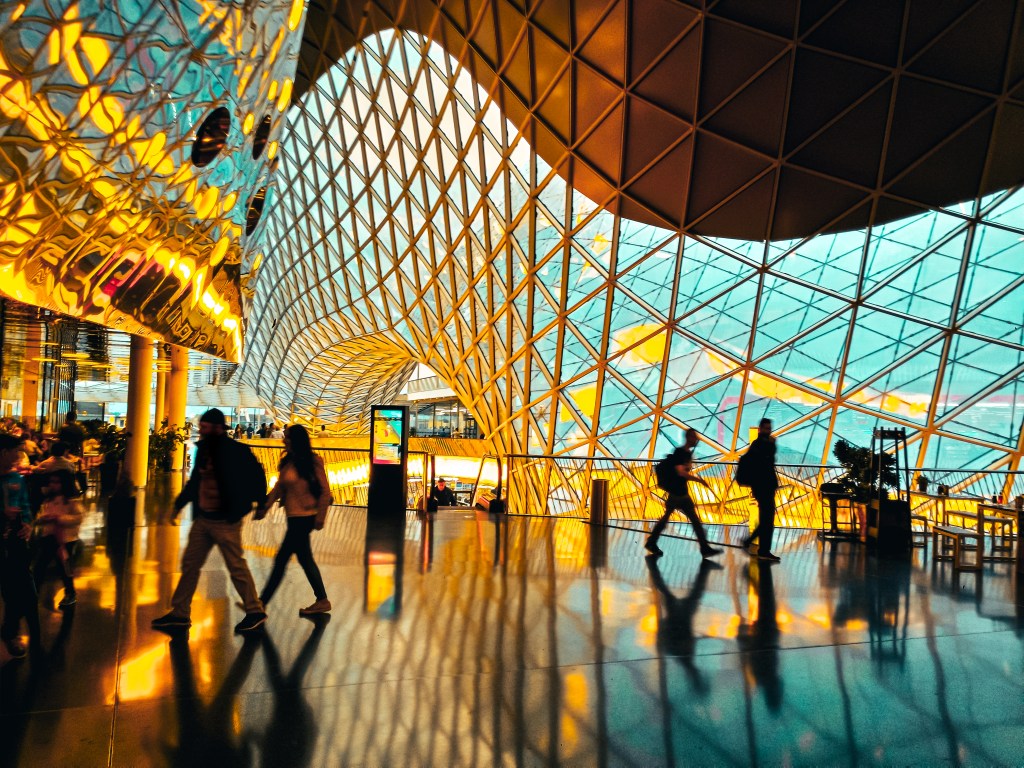
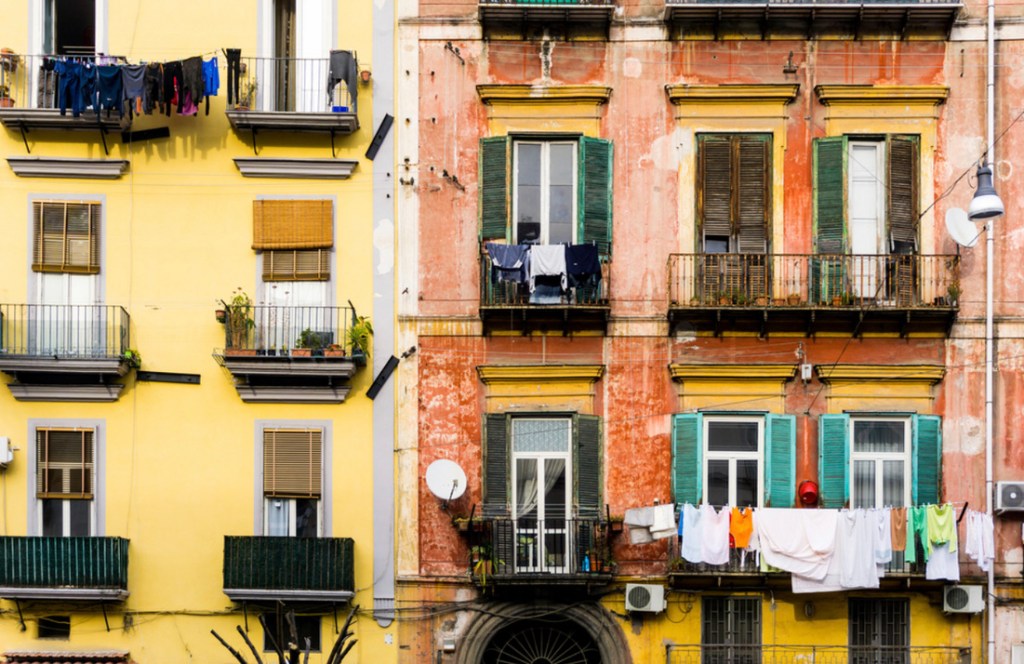
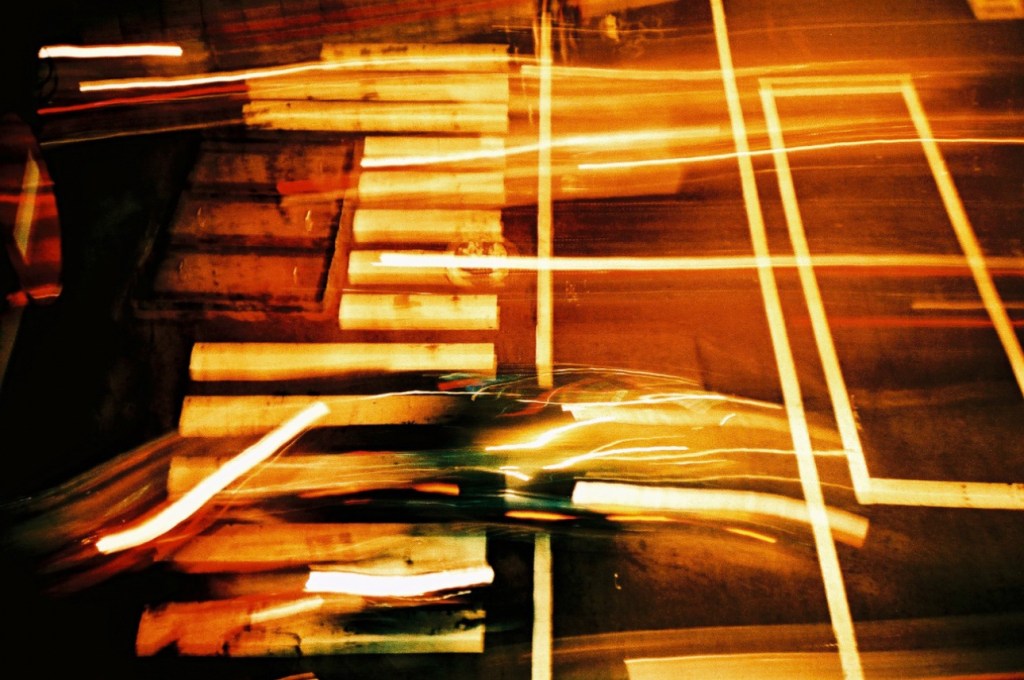
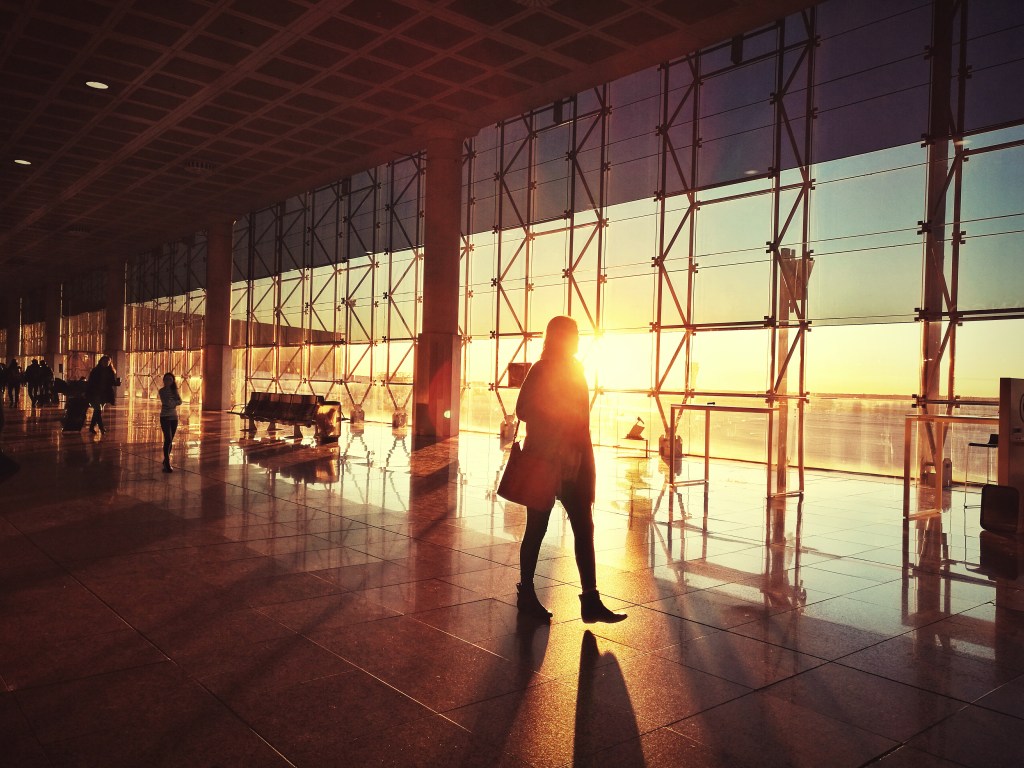
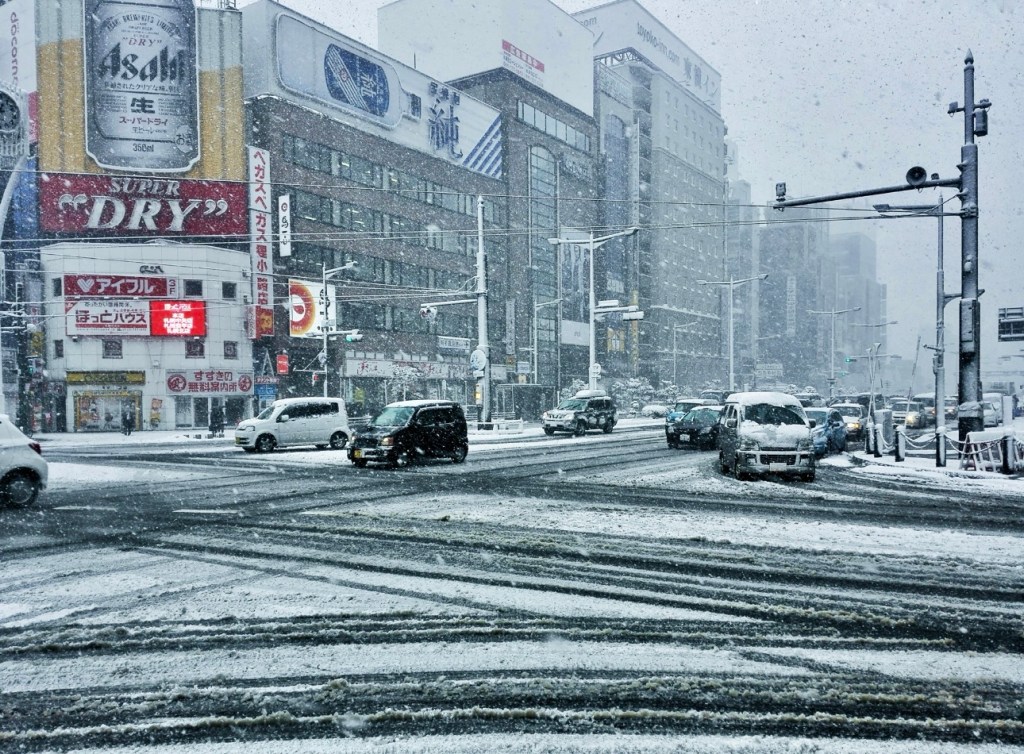
There is a time photographers hold sacred the Golden Hour, when the sun hovers near the horizon, softening shadows, wrapping the world in warm, diffused light. But beyond this fleeting perfection, the true art lies in learning to use available light to embrace the uneven glow of neon signs, the flicker of candlelit cafés, the stark contrast of midday glare. The way light shapes a face, the way it pools in the corner of a forgotten alley, the way it bounces off wet pavement after a storm these details are the silent narrators of a city’s soul.
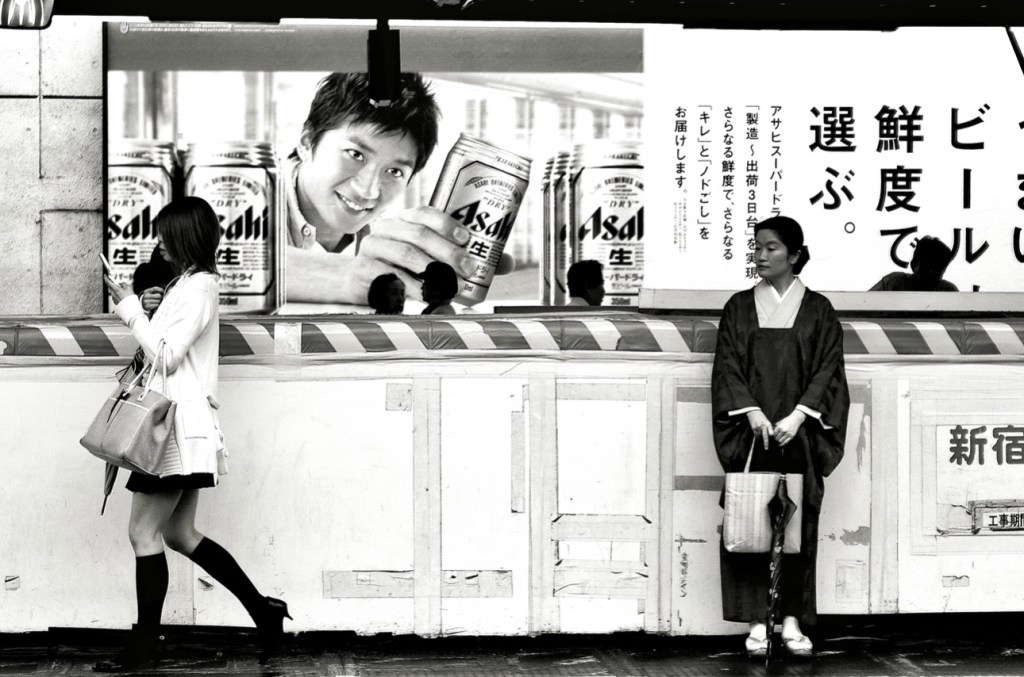
Composition is not merely an aesthetic choice but a means of visual storytelling. A street photographer does not merely take photographs; they construct meaning through framing and juxtaposition. A solitary figure walking past an imposing cathedral tells one story; the same figure captured mid-step, dwarfed by a billboard of a luxury brand, tells another. Every decision the angle, the depth of field, the choice to include or exclude an element, transforms a simple image into a commentary on society, identity or time.
The Social Lens of a Photographer
To walk the streets as a photographer is to adopt the role of both participant and outsider. You become acutely aware of the invisible hierarchies that dictate urban life, the unspoken rules that govern how people move through space. You notice how wealth and poverty exist side by side: the beggar in Rome seated beneath the towering grandeur of a Renaissance church, the migrant worker in Barcelona cleaning the glass of a five star hotel, the elderly woman in Athens feeding stray cats as businessmen rush past her. The city is a stage, and every corner, every shadow, every fleeting glance is part of a larger, unfolding narrative.
Henri Cartier-Bresson once described photography as the pursuit of the decisive moment, that fleeting instant when composition, emotion, and meaning align, demanding the press of the shutter. While casual travelers seek picturesque views, photographers search for stories beneath the surface. We study strangers as they pass, imagining their pasts and futures; we watch market vendors haggle with customers, tracing the economic pulse of a city in the cadence of their exchange. Every frame we capture is an attempt to pause time, to carve something transient into permanence.
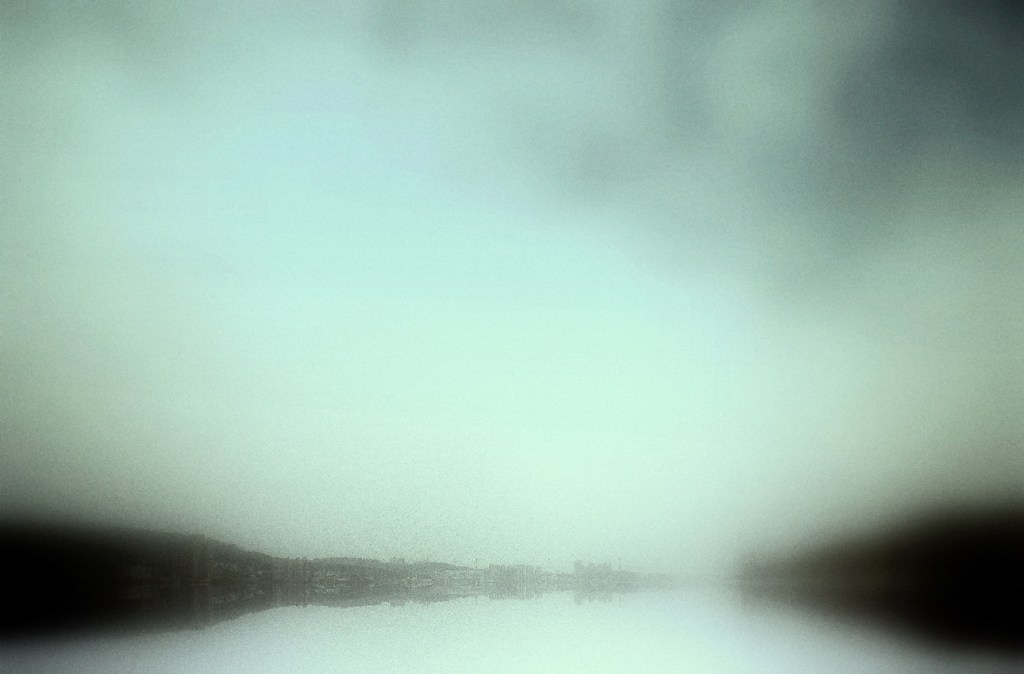
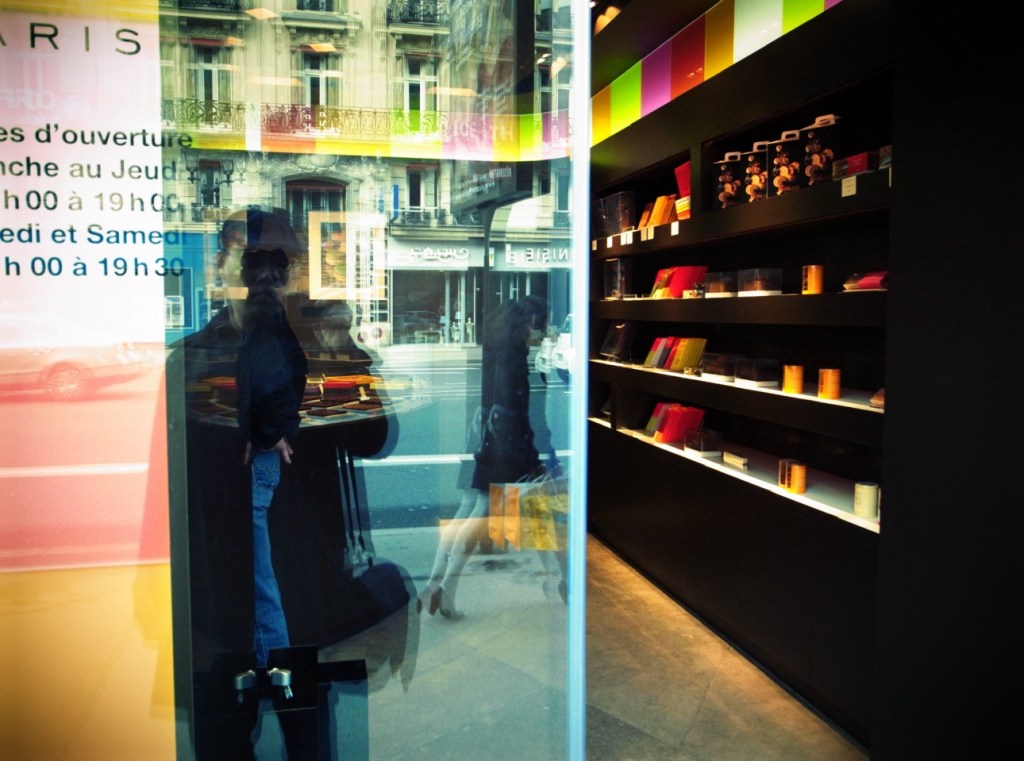
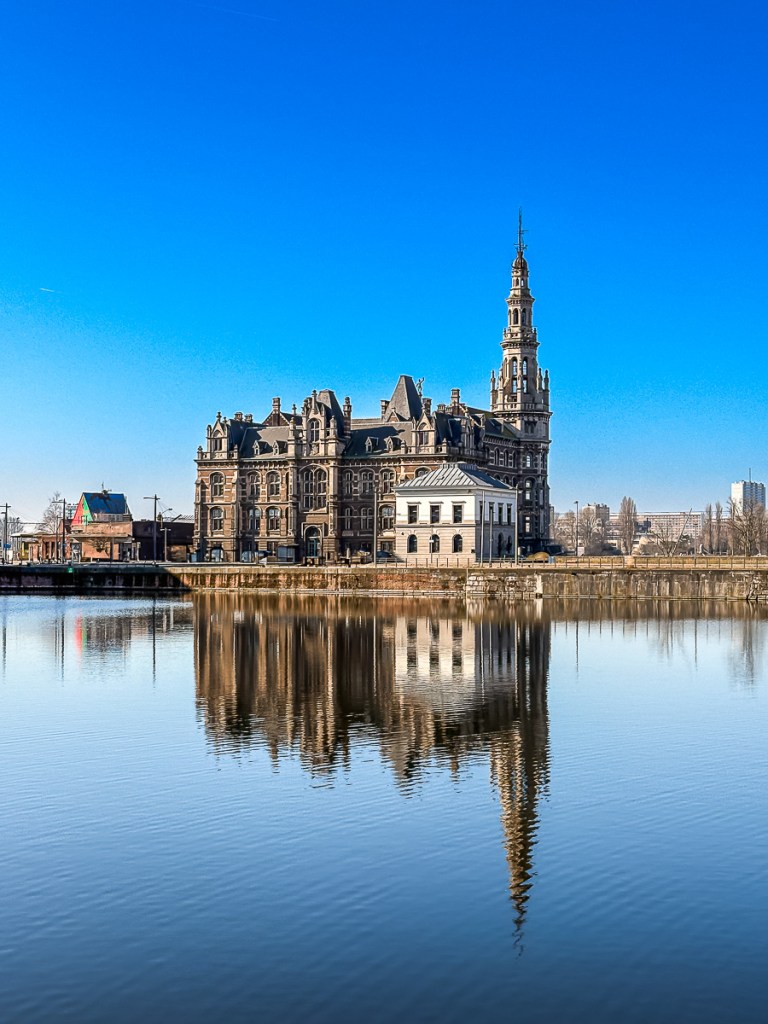
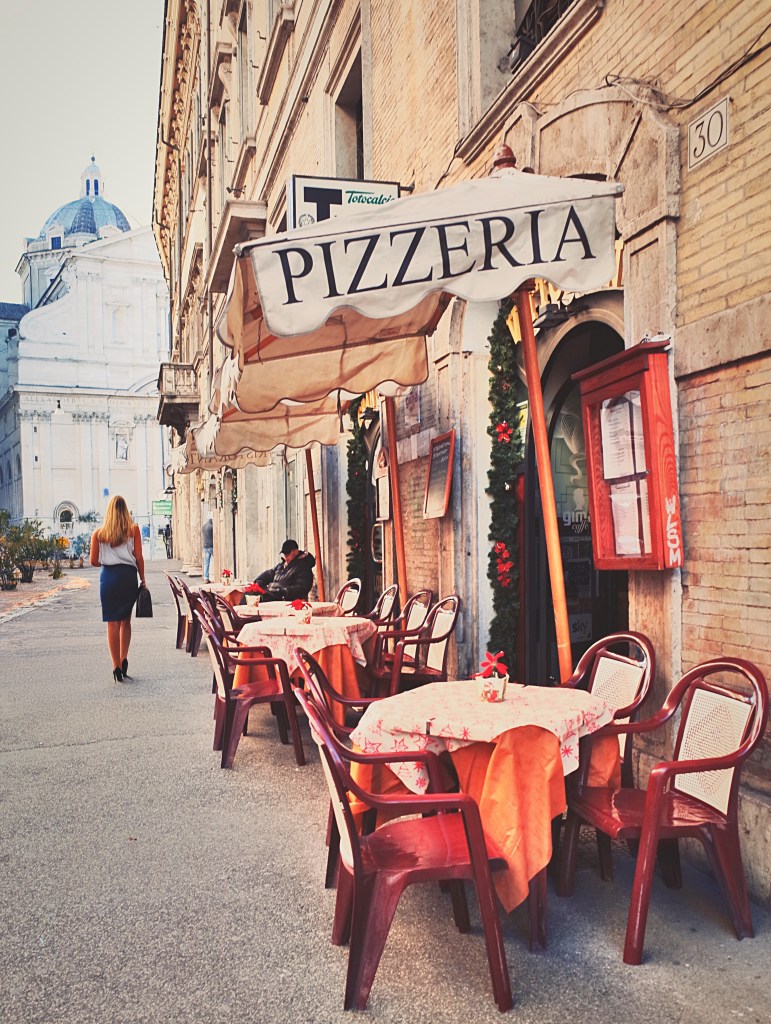
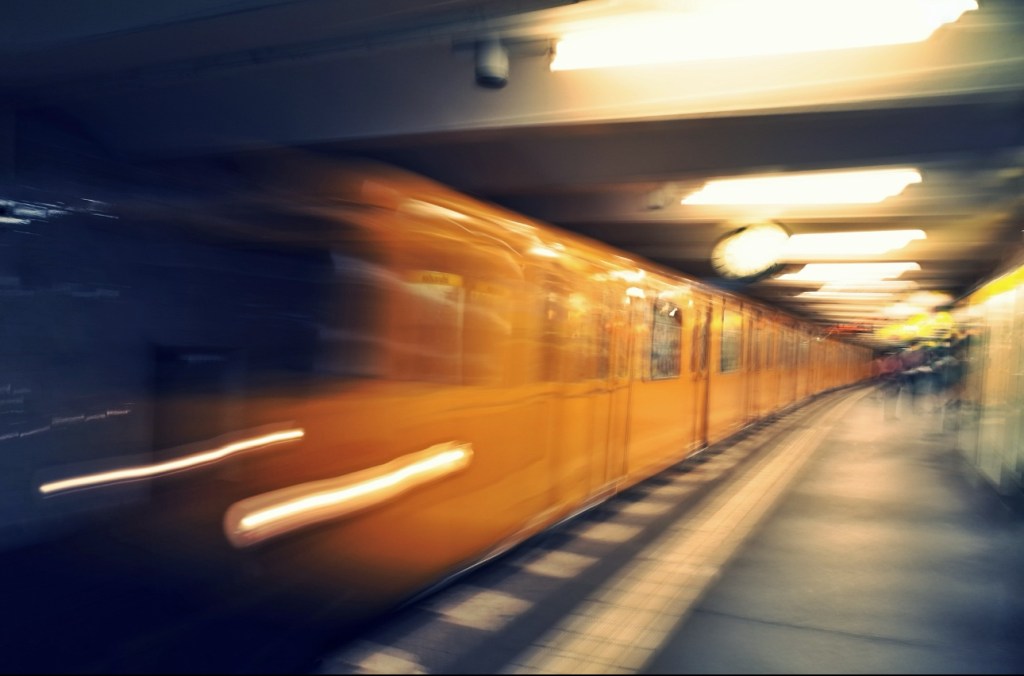

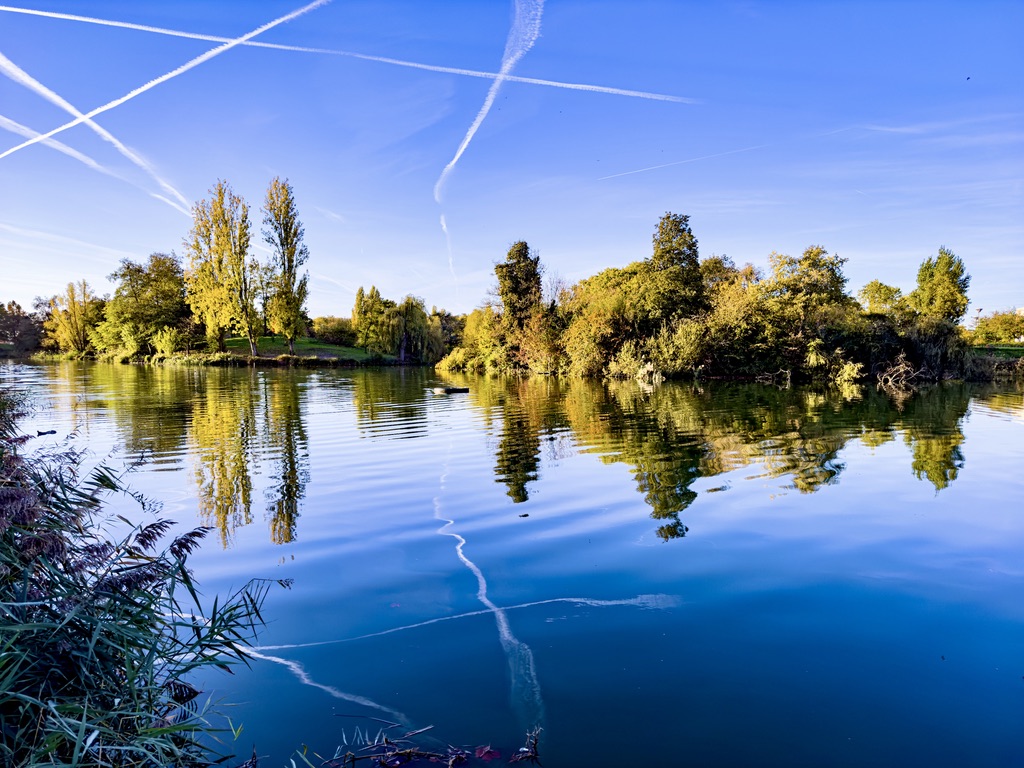
But what is the role of a photographer in an era saturated with images? When every traveler carries a camera in their pocket, when every corner of the world has been photographed and shared, what does it mean to truly see? Perhaps it is not about capturing something unseen, but about capturing something understood differently. A true photograph is not about novelty but about depth, about revealing layers of meaning that exist beneath the surface of the familiar.
Between Light and Memory
To photograph the streets is to exist between two states of mind at times a hunter, swift and instinctive, seizing the ephemeral; at times a philosopher, searching for deeper meaning in the interplay of people, place, and light. The camera is not just an instrument but an extension of our perception, making us more attuned to space, to human gestures, to the subtleties of emotion.
The act of seeing begins long before the shutter clicks. It begins the moment we step into a new city. when we notice the scent of bread curling through an alley, the echo of footsteps against stone, the tempo of conversations in a crowded square. It is in the quiet observation of an old musician’s hands moving over the strings of a violin, in the fleeting exchange of glances between two strangers at a café. These fragments of life, seemingly unremarkable, become part of the composition of our experience.

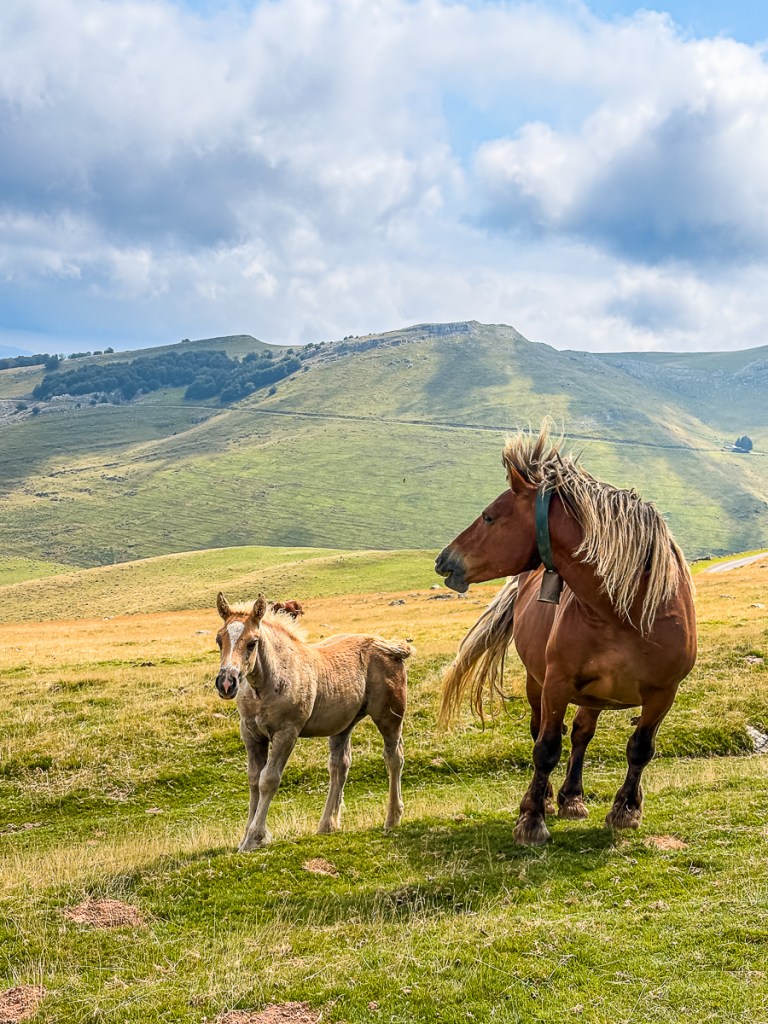
In the end, travel is not about reaching a destination, it is about learning how to see. And when we raise our cameras to the world, we are not merely capturing images; we are capturing the way we, in that particular moment, understood the light, the shadows, the people, and the fleeting eternity between them.

You must be logged in to post a comment.