Tracing Evolution: The Artistic Journey of Otto from Realism to Conceptual Exploration
Otto’s exceptional artistic talent emerged at an early age. At just seven years old, he won a prestigious children’s painting award in Japan, a milestone that laid the foundation for his artistic journey. From that moment on, art became more than a childhood pastime—it evolved into a vital means of exploring the world and expressing himself. During his high school years, Otto enrolled in a specialized painting program, receiving rigorous training that spanned from Realism to Impressionism. This solid technical foundation provided him with a comprehensive understanding of visual language and the depiction of reality. Yet, constrained by the emphasis on technique and representation, Otto gradually began to question whether art could serve as a deeper form of exploration beyond mere reproduction of visible forms.
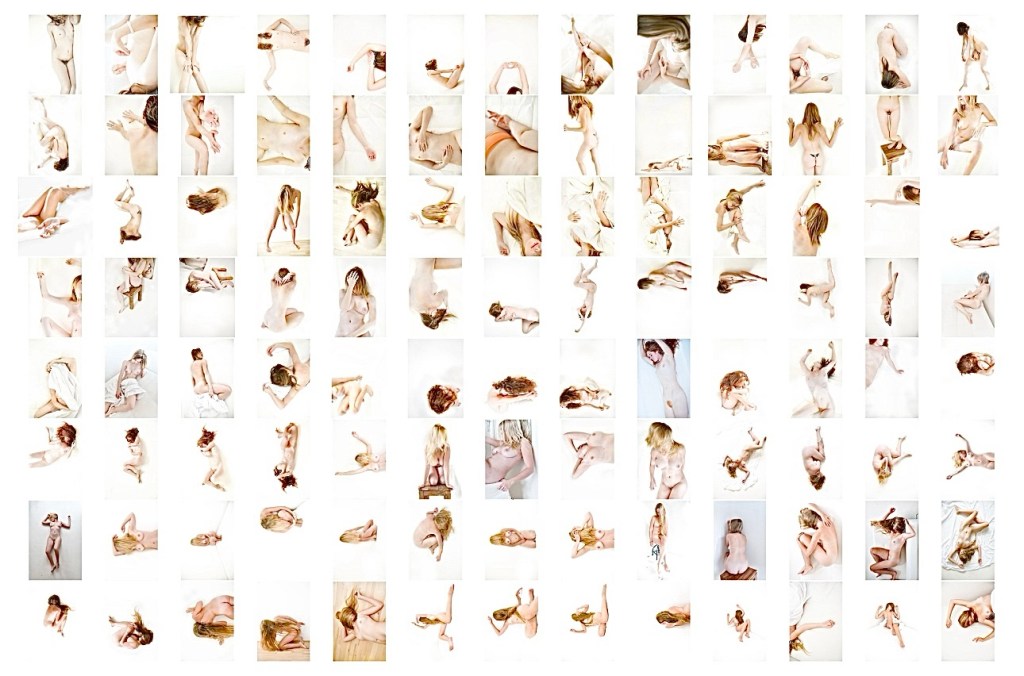
His university years marked a significant turning point in his artistic perspective. Influenced by contemporary art, Otto shifted from traditional painting to a more concept-driven approach. Contemporary art not only awakened his interest in conceptualism but also encouraged him to contemplate the role of art in addressing social and philosophical questions. During this period, his works increasingly incorporated social issues, employing visual symbols and mixed media to reflect on modern phenomena—from existential philosophical inquiries to critiques of consumer culture. For Otto, art should not be confined to the canvas as a tool for realistic representation; it should also function as a broader space for intellectual experimentation, capable of responding to the voices and challenges of the times.
As Otto delved deeper into conceptual exploration, his graduate studies introduced him to the complexities of the art market and the dynamics of the economic system. This exposure sparked a growing interest in how market fluctuations and economic conditions influence artistic production. Observing the tension between the art world and the market, Otto became increasingly aware of the intricate and often delicate relationship between artistic creation and economic forces—a theme that began to permeate his later works.
Through diverse learning experiences and continuous practice, Otto’s journey evolved from early mastery of painting techniques to a more profound understanding and critical reflection on the essence of art. His development not only traces the trajectory of his personal creative growth but also reflects the broader context of contemporary art, where individuals constantly reassess their place and consciousness within an ever-changing cultural and social landscape.
Conceptual Art
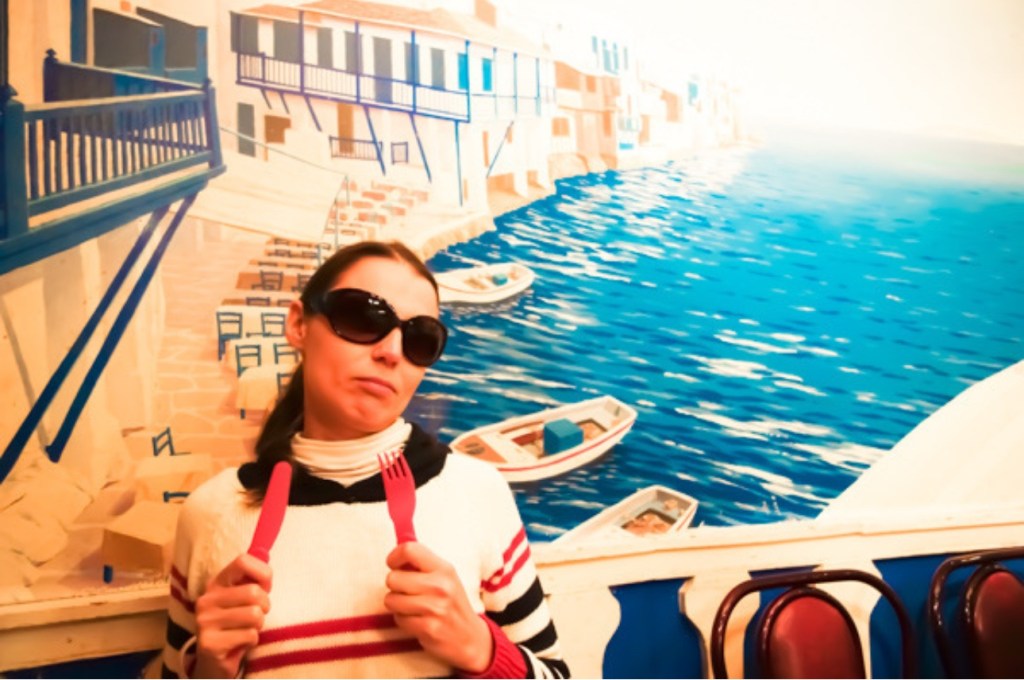


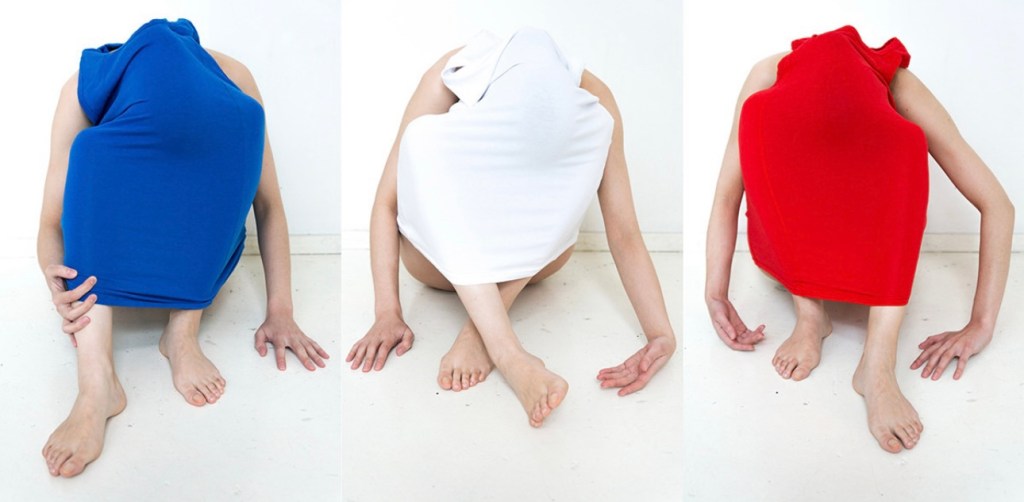

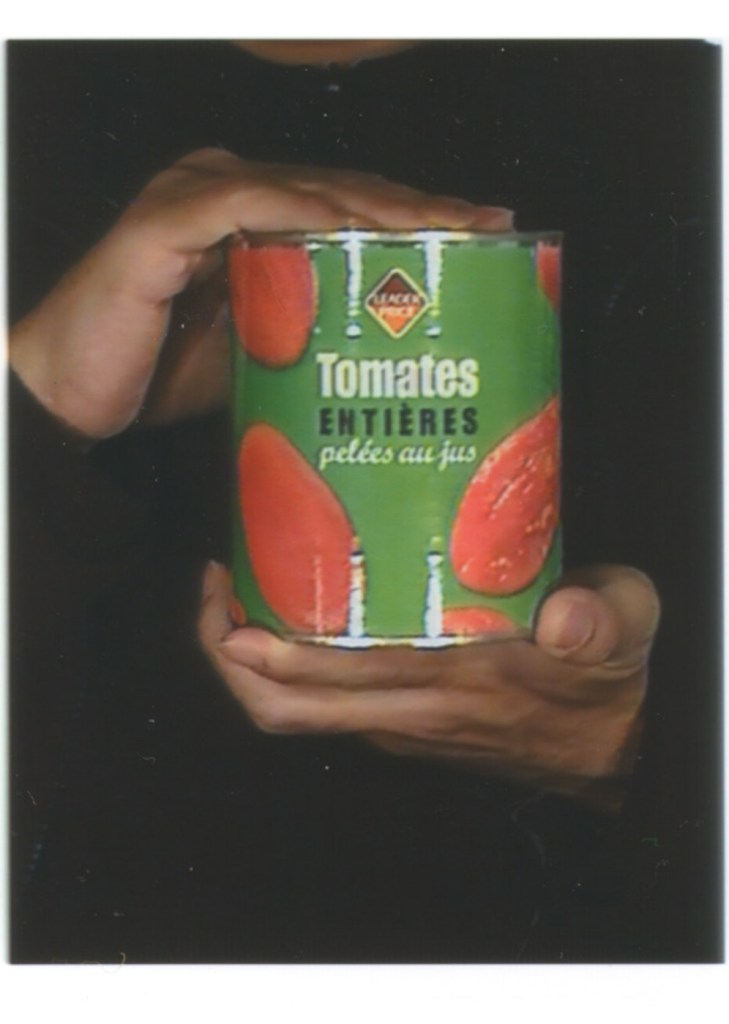
During this explosive period of intellectual expansion, the artist’s work took a decisive turn toward conceptual art, driven by intense social observation and cultural reflection. No longer confined to personal introspection, the artist began to address broader societal structures, human behavior, and the layered complexities of social reality. These works blend personal experiences with sharp critiques of the surrounding world, capturing both surface-level appearances and underlying systemic issues.
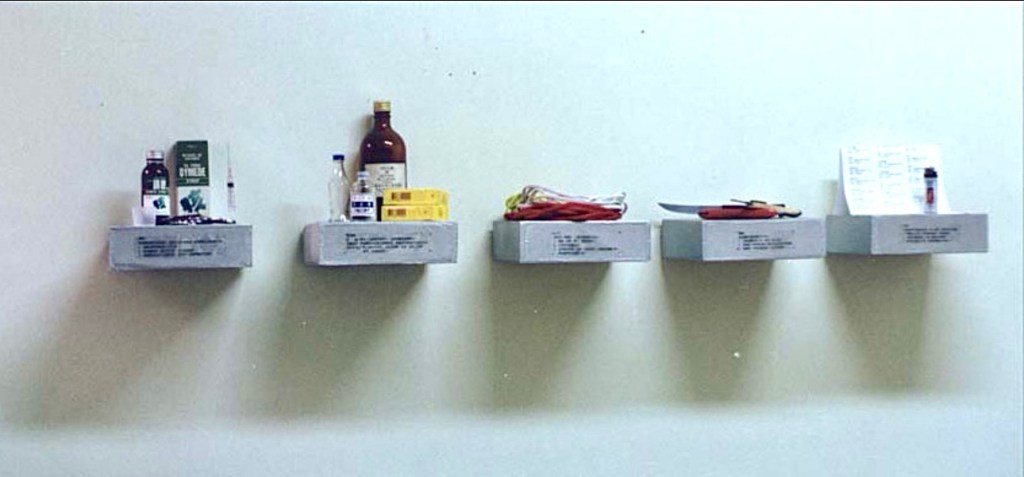

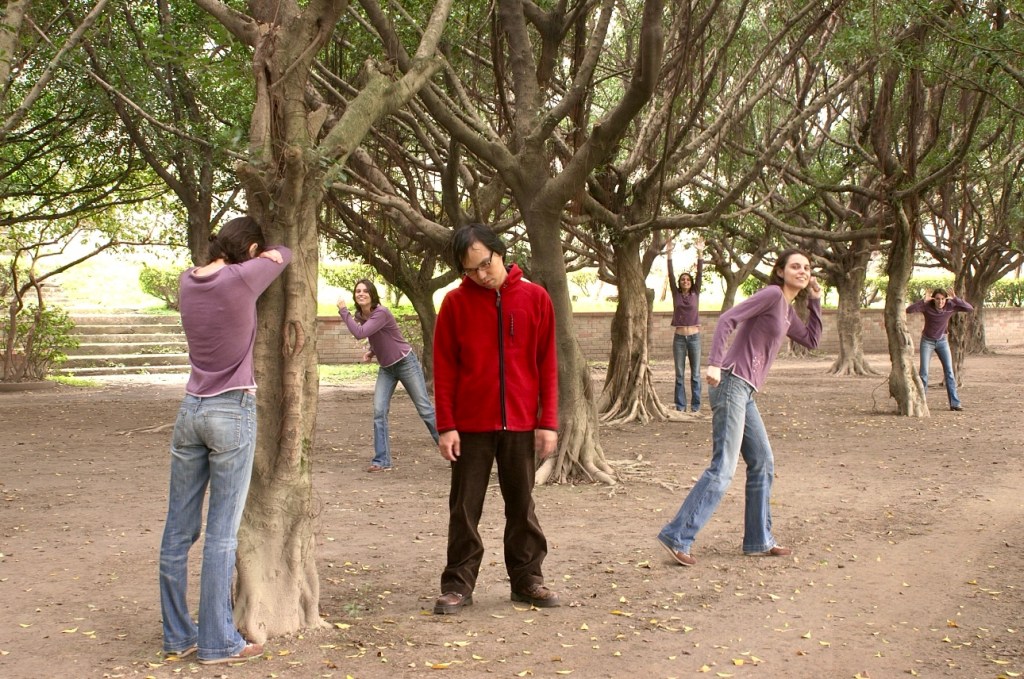

Using a language of directness, humor, and biting satire, the artist creates works that are both visually minimal and conceptually rich. The simplicity of form becomes a powerful tool, allowing the message to resonate with clarity and impact. Through wit and irony, the artist exposes contradictions and absurdities in modern society—highlighting consumerism, political hypocrisy, and collective apathy.
This period represents a significant maturation of artistic thought, where each work acts as a lens to examine contemporary life. The artist’s concise yet deeply critical approach transforms everyday observations into thought-provoking commentary, challenging viewers to confront uncomfortable truths hidden beneath familiar façades.
Abstract Painting
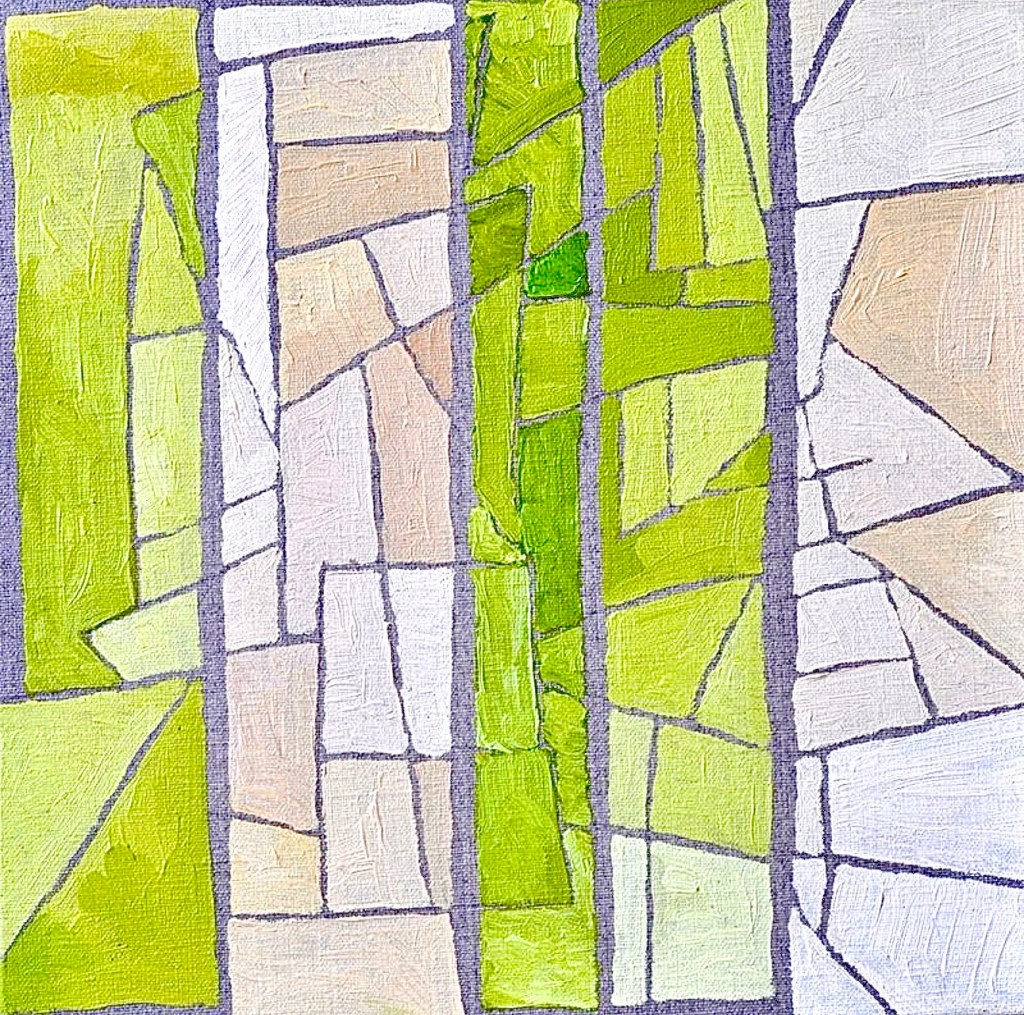

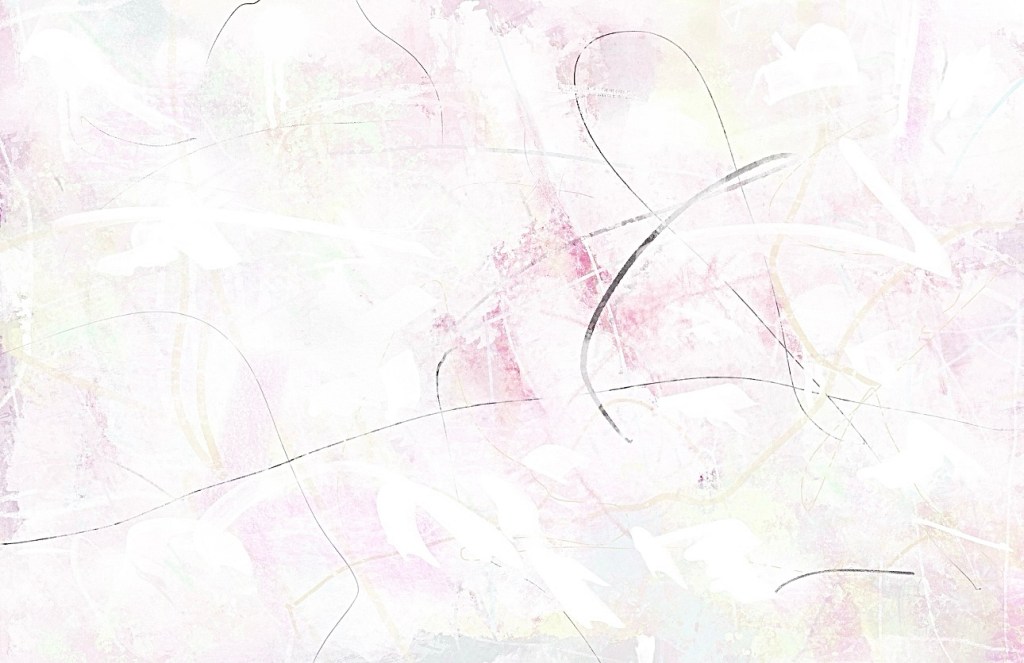
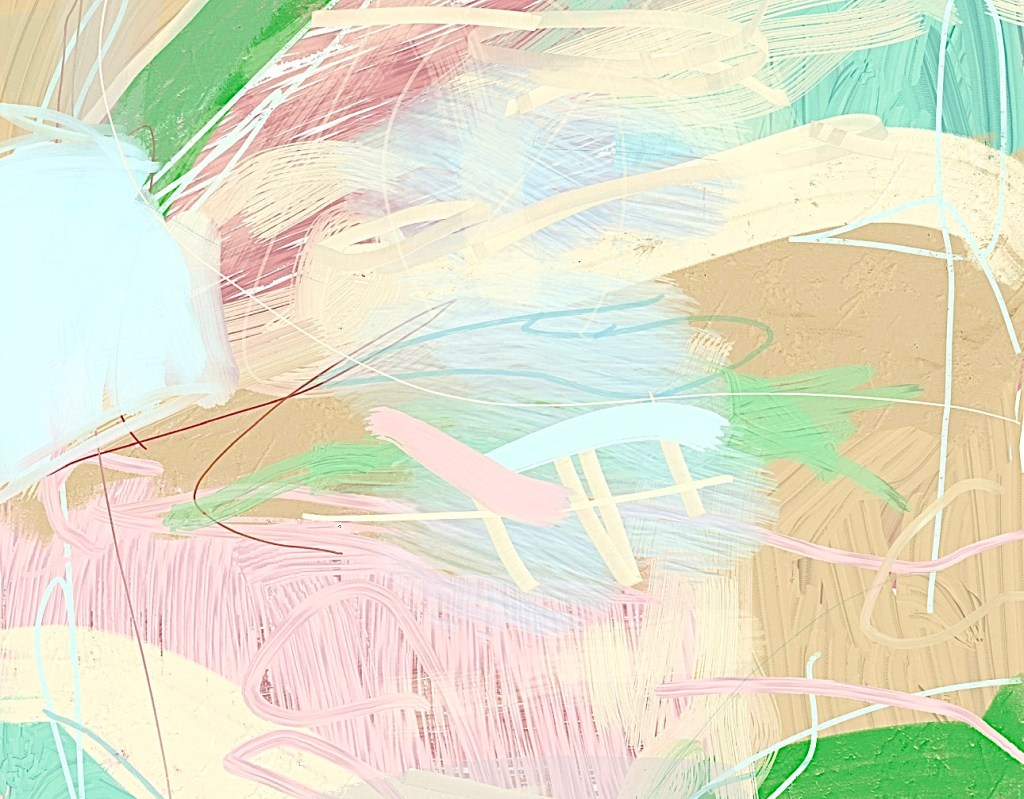

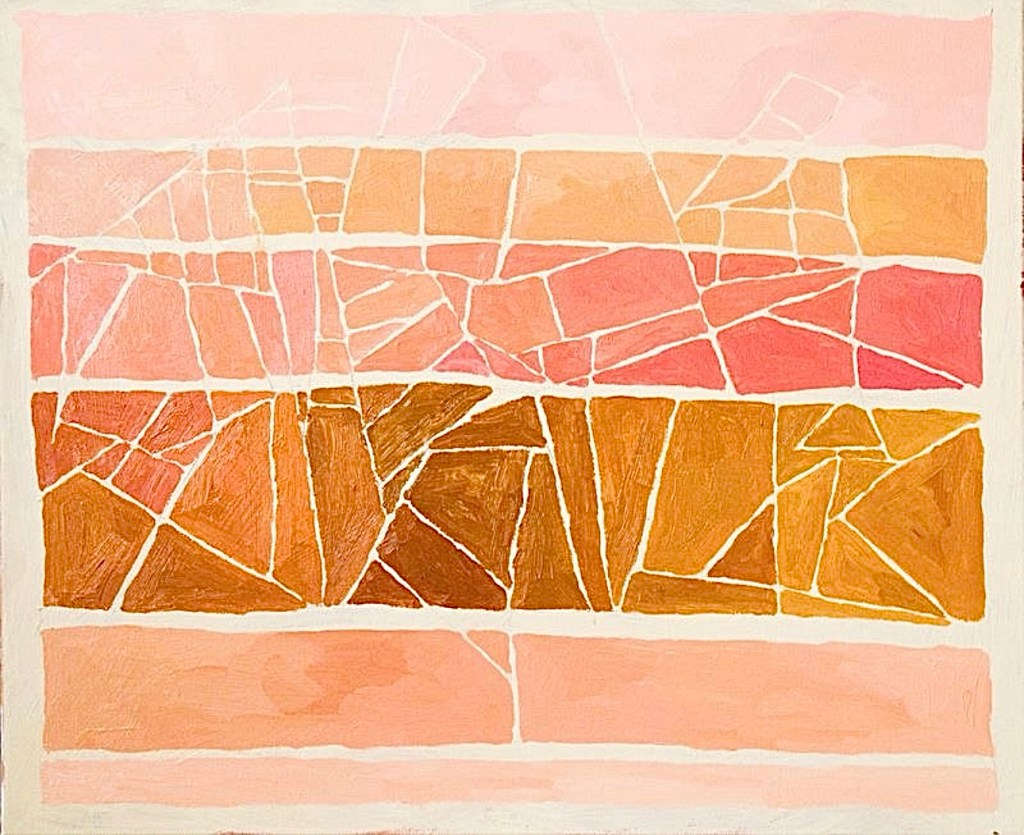
In this phase of the artist’s journey, relocation to a foreign country led to a profound transformation in both mindset and artistic expression. Immersed in an unfamiliar environment, the artist grappled with feelings of disconnection and sought solace in abstraction. This period became a search for identity within an illusory and fragmented reality, resulting in works that reflect a deep inner dialogue.
Characterized by visible brushstrokes, the paintings oscillate between lyrical tenderness and rational geometric structures. The juxtaposition of fluidity and precision mirrors the artist’s attempt to reconcile emotional vulnerability with intellectual clarity, offering a visual metaphor for the complexities of adaptation and self-discovery. The fragmented compositions symbolize the process of piecing together new experiences while preserving a sense of personal coherence.
This crucial stage marked a significant psychological and stylistic shift. The artist’s exploration of abstract forms was not only an aesthetic choice but a means of constructing a new sense of belonging—a quest for meaning amidst the chaos of change, translating personal displacement into a universal language of form and color.
Internet Art
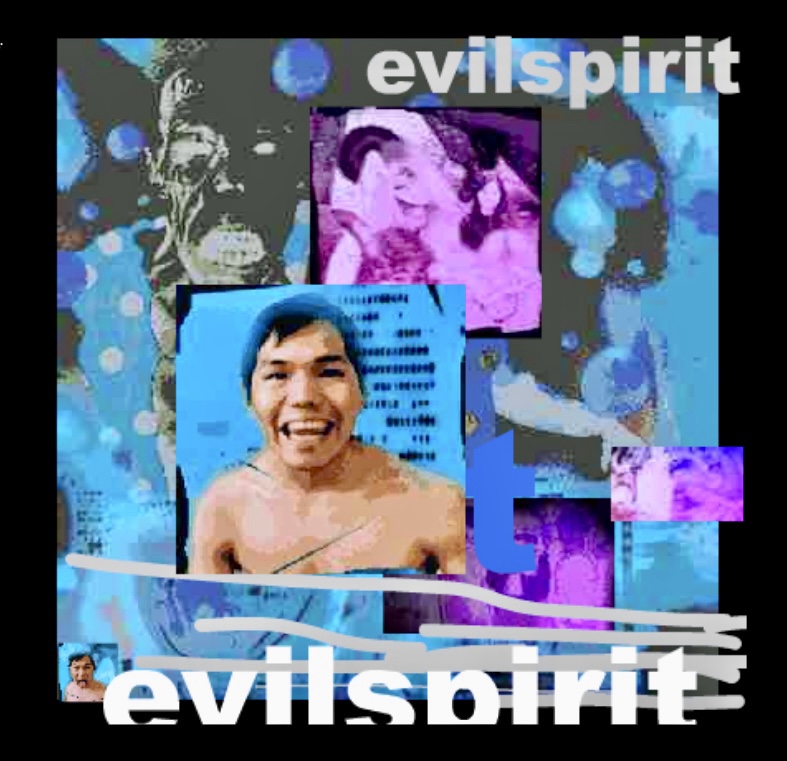
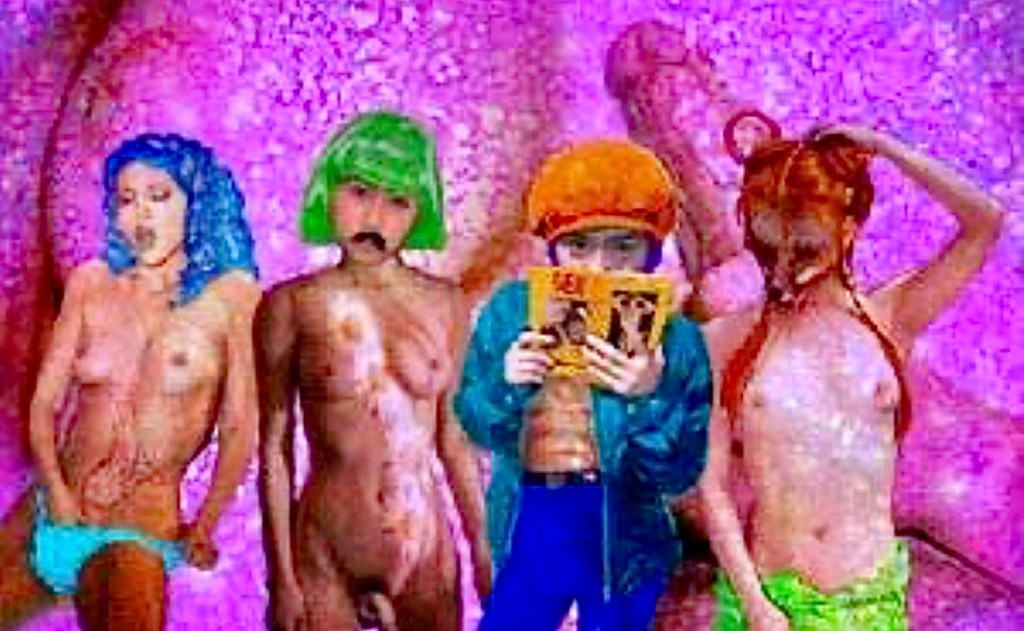
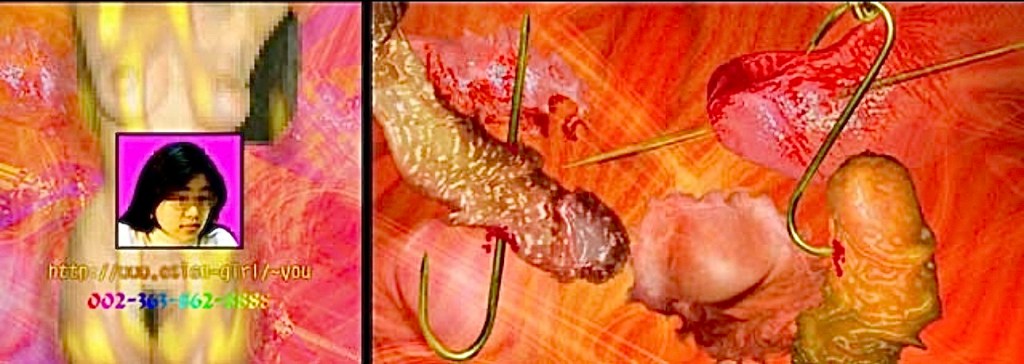
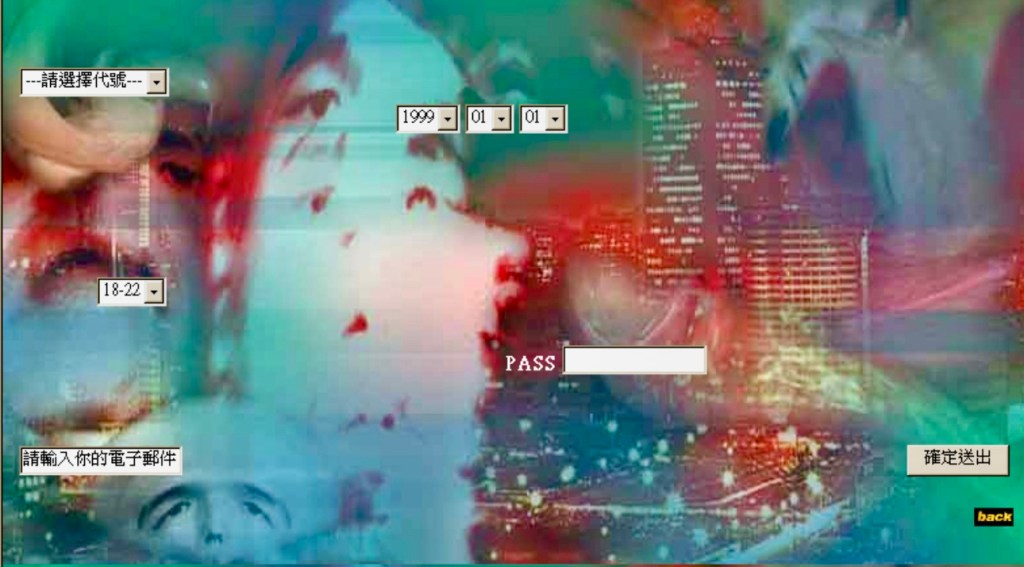
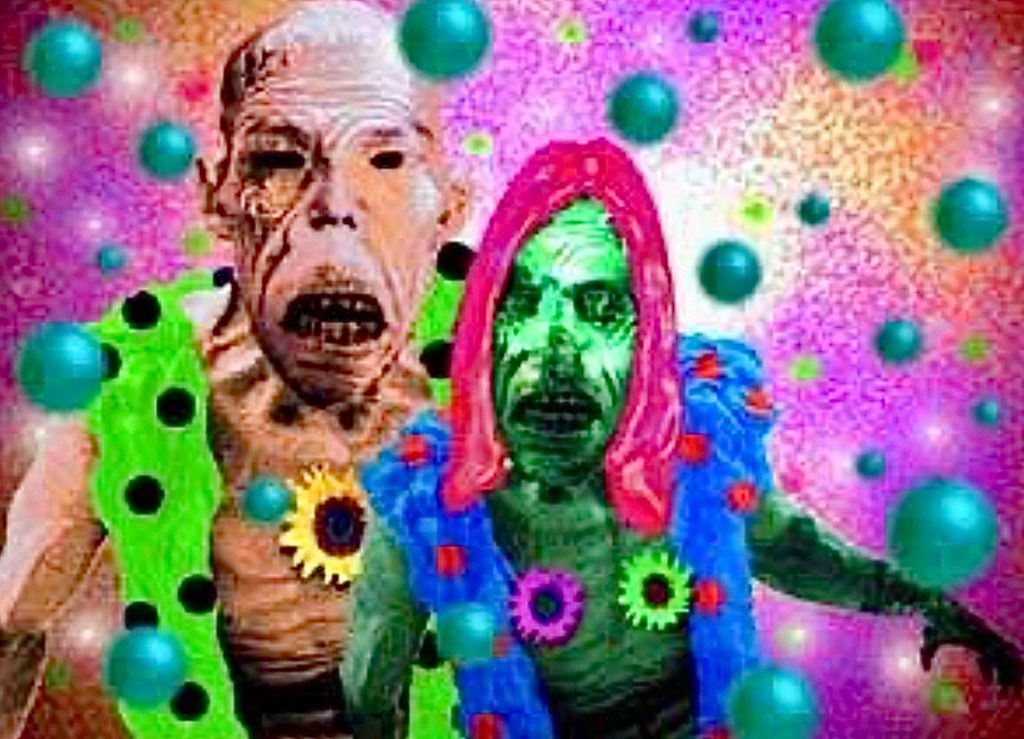
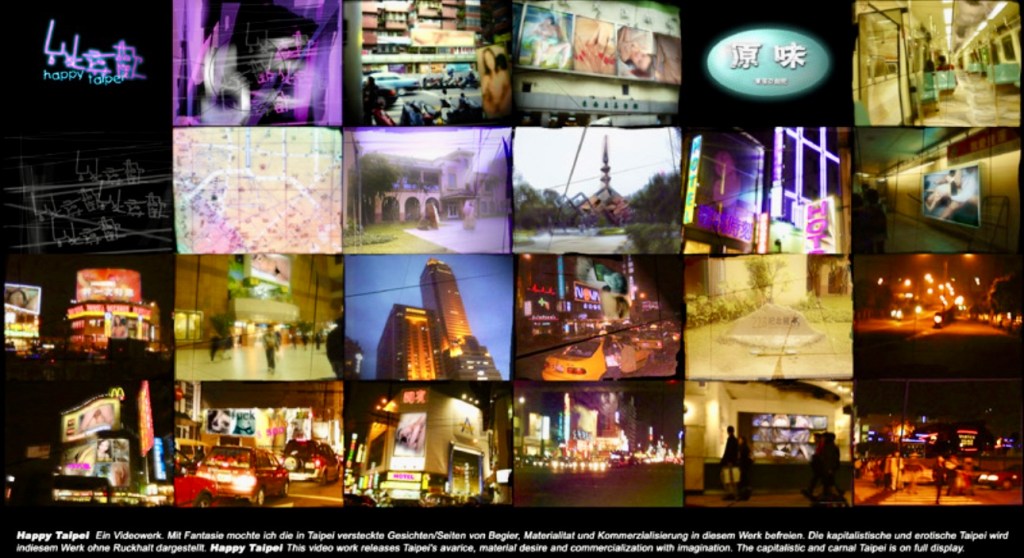
In this series of works, the artist delves into themes of gender consciousness and female sovereignty, embracing digital media to explore and express these complex ideas. The transition into the digital era marked a significant evolution in the artist’s creative approach. Traditional boundaries were transcended as the artist utilized digital tools to deconstruct and reframe gender norms, amplifying the voice of female empowerment through bold visual narratives.
The integration of vibrant colors, layered imagery, and textual elements in this series reflects the dynamic tension between the body and digital identity, challenging the viewer’s perception of power and representation. This period also marked the artist’s increasing engagement with the contemporary art scene, culminating in participation in the Taipei Biennial. Notably, the artist created Taiwan’s first web-based artwork, signaling a pioneering moment in digital art history and cementing a place at the forefront of new media exploration. Through these works, the artist redefines artistic practice in the digital age, positioning gender discourse at the center of their evolving creative trajectory.
Gender Awareness
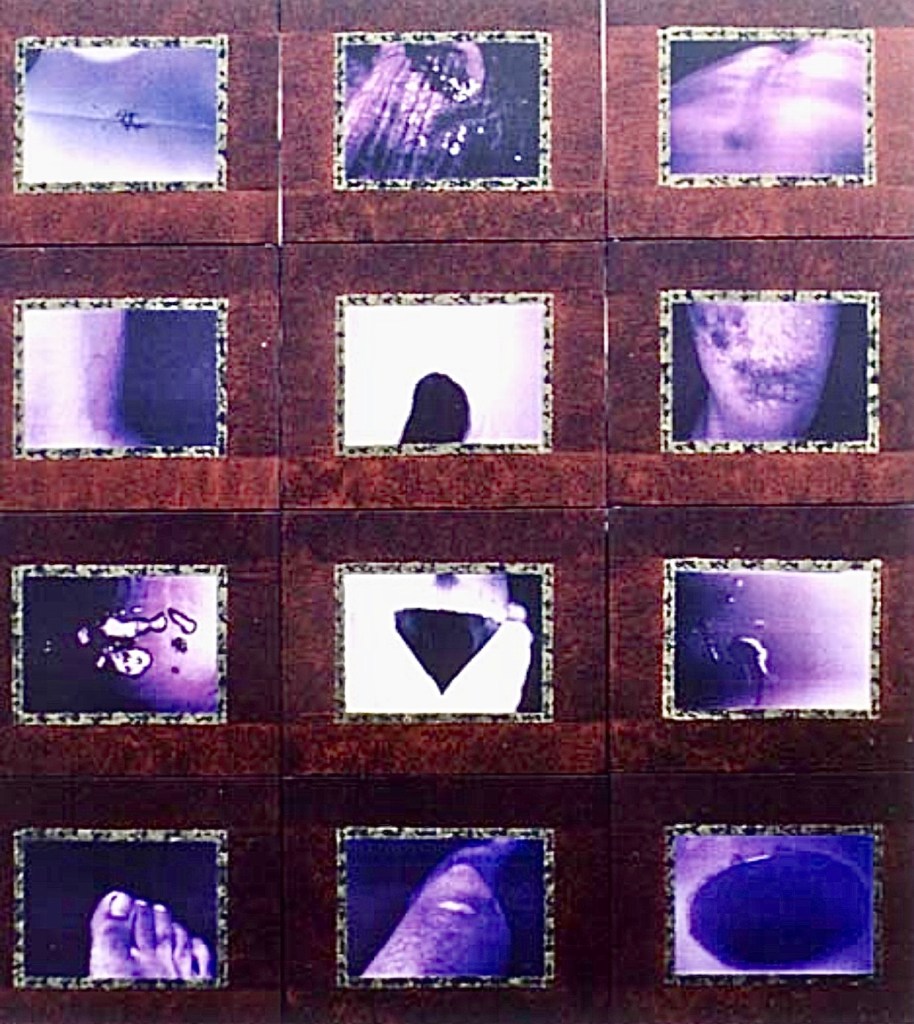
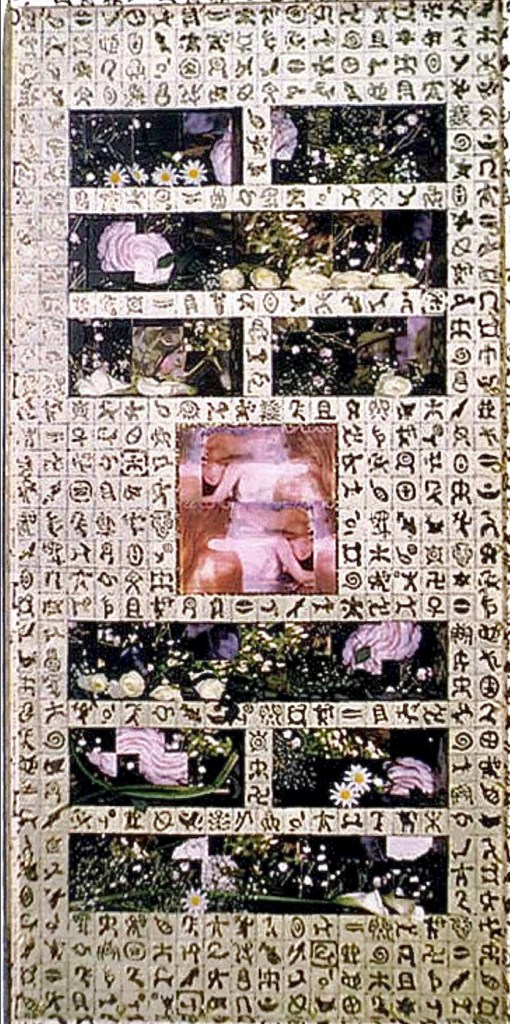
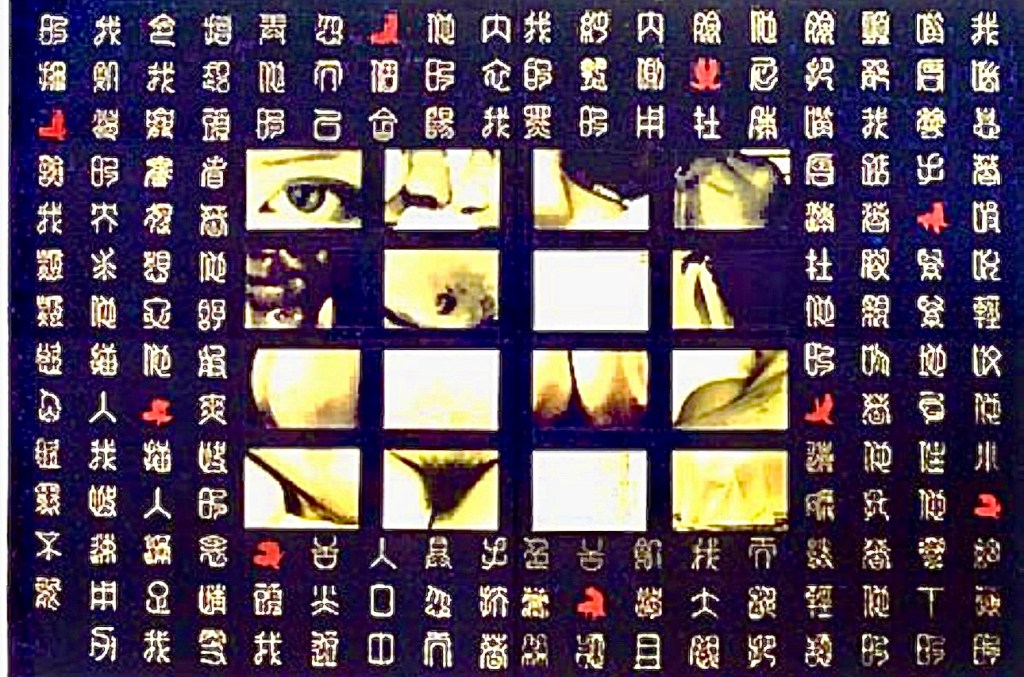
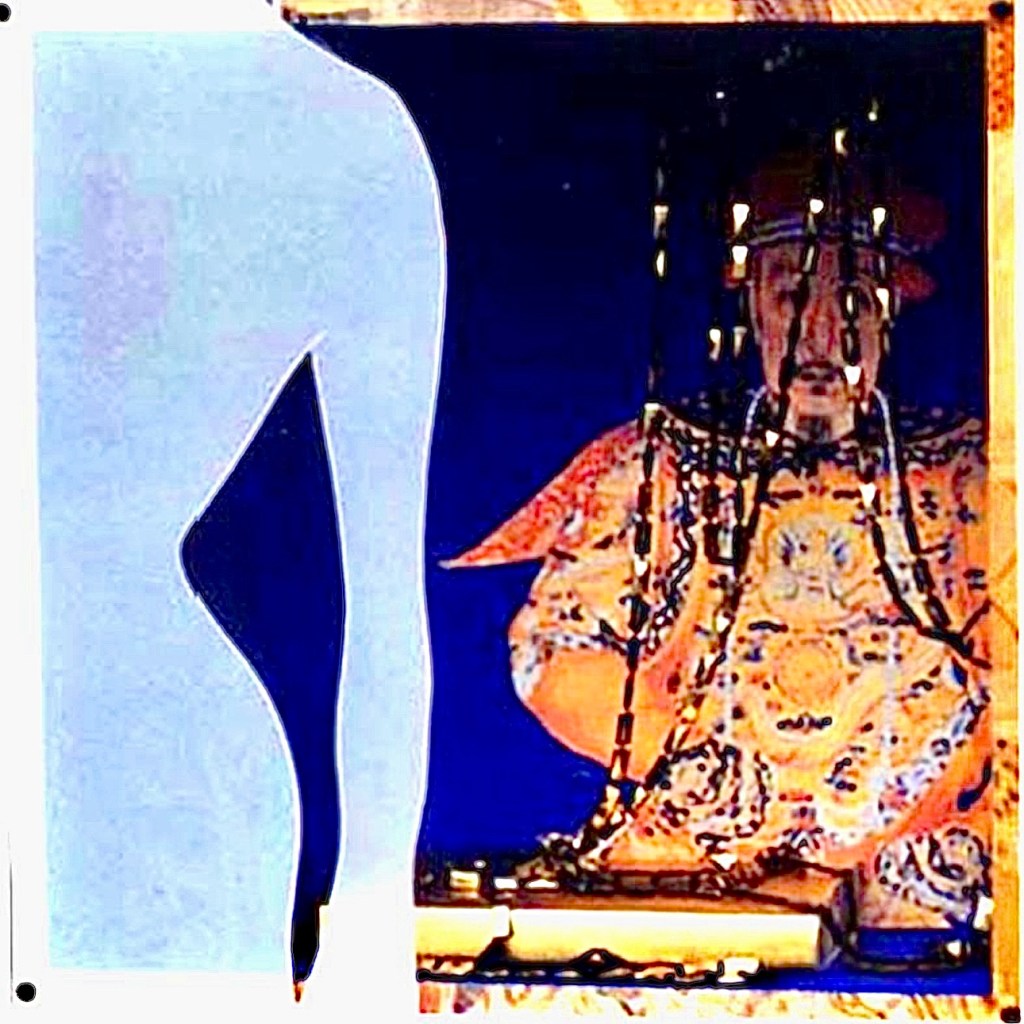
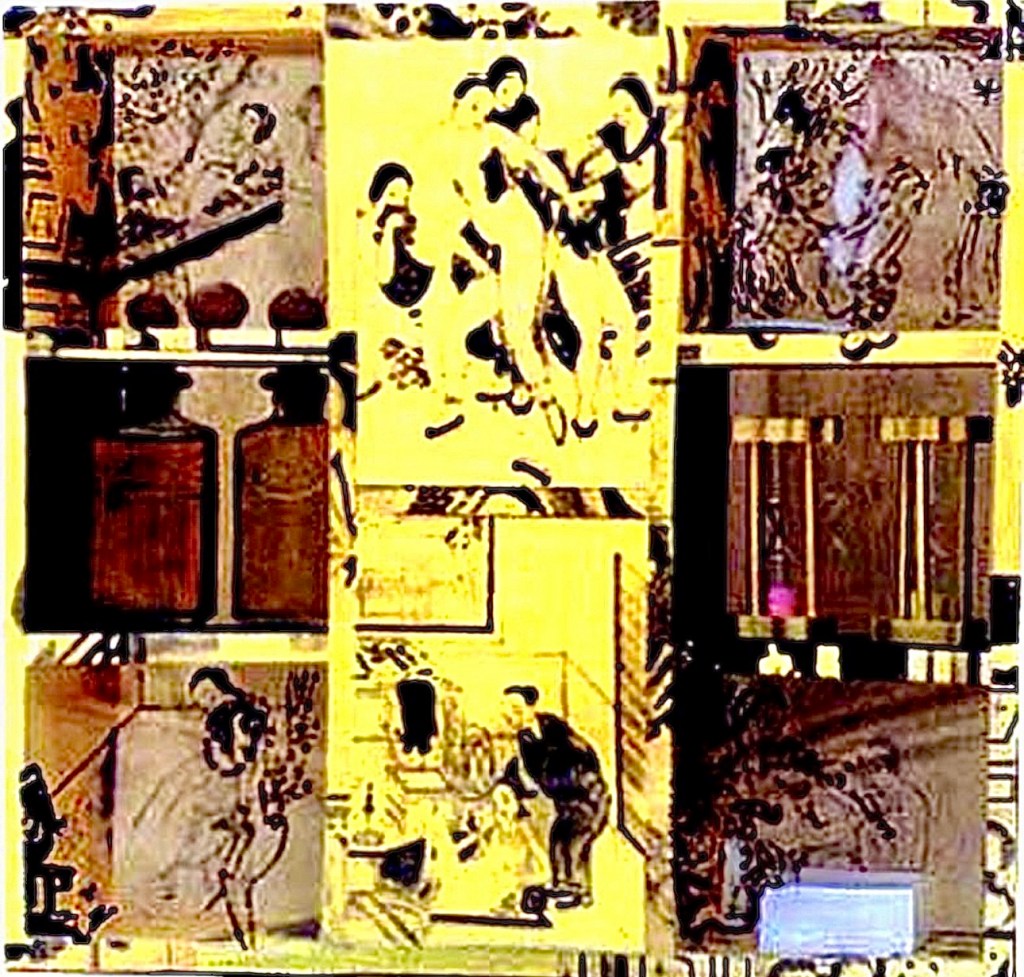
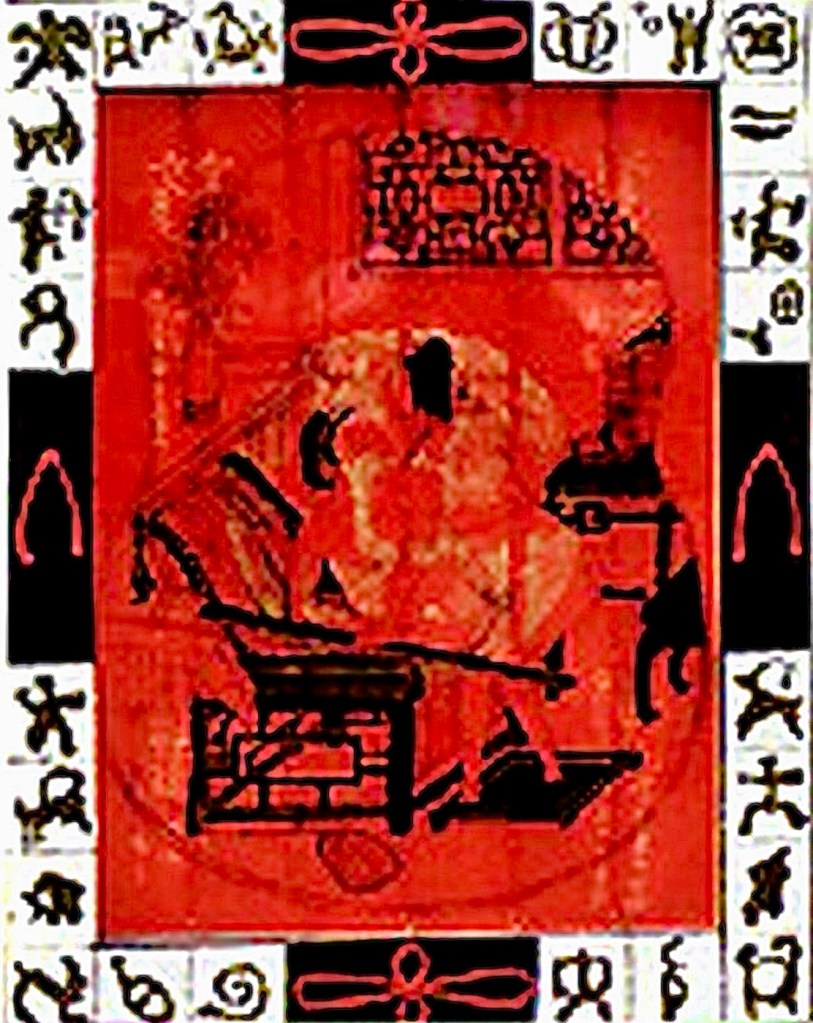
This series of artworks explores the intricate relationship between gender consciousness and power, drawing from the historical authority of ancient monarchs and incorporating found objects into the creative process. Across these pieces, the artists delve into themes of female gender awareness and feminist consciousness, using the recurring motif of regal figures adorned with symbols of power juxtaposed against female silhouettes. This visual dialogue not only critiques traditional gender roles but also reimagines them within a contemporary context. The series employs a variety of found objects and textual elements, reflecting the artists’ fascination with material culture and setting the stage for the development of conceptual art. Each work in the series challenges the viewer to reconsider the historical construction of gender and power, promoting a collective narrative on the reclamation of female agency. Through this cohesive series, the artists establish a dialogue that influences and shapes the future direction of conceptual art, emphasizing the power of series work in conveying complex, layered ideas.
Figurative Painting
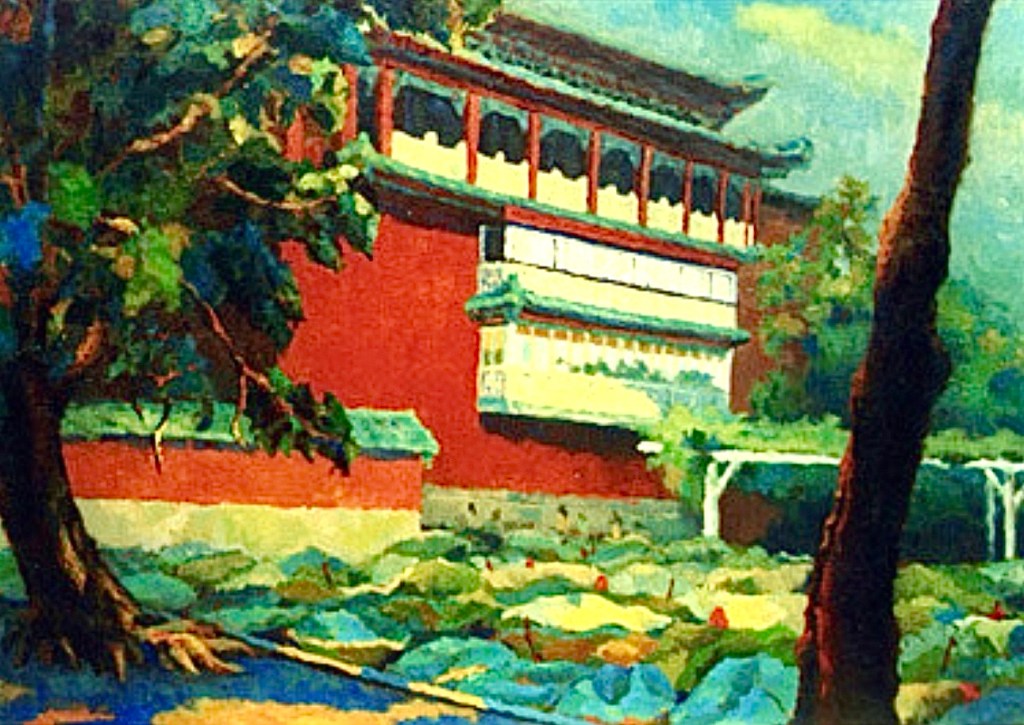
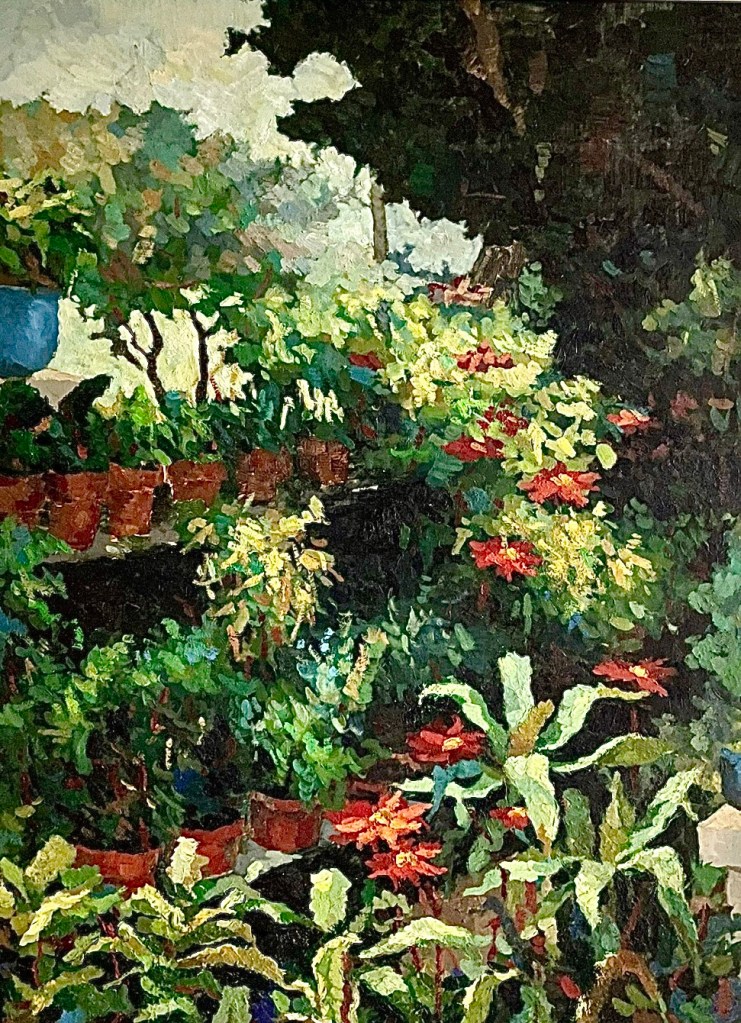
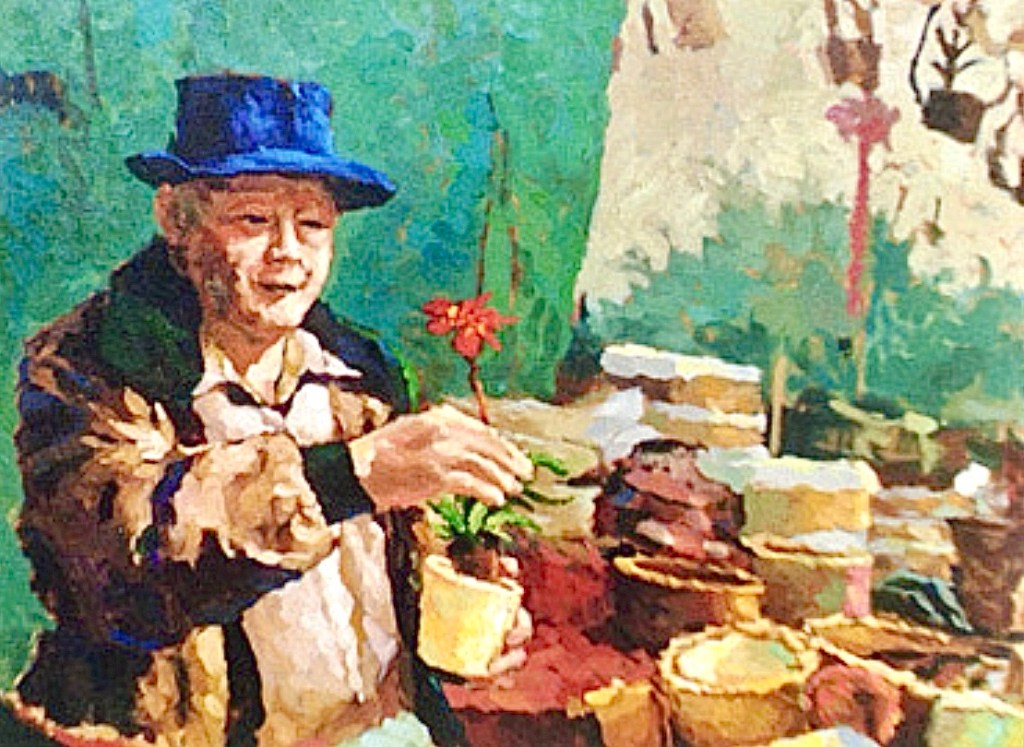
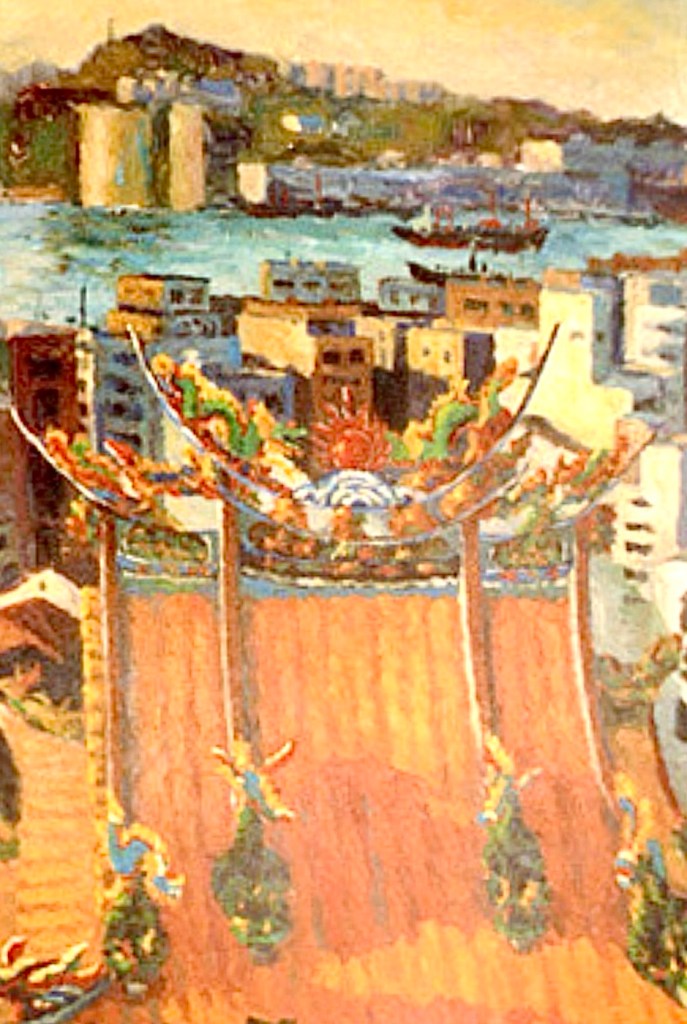
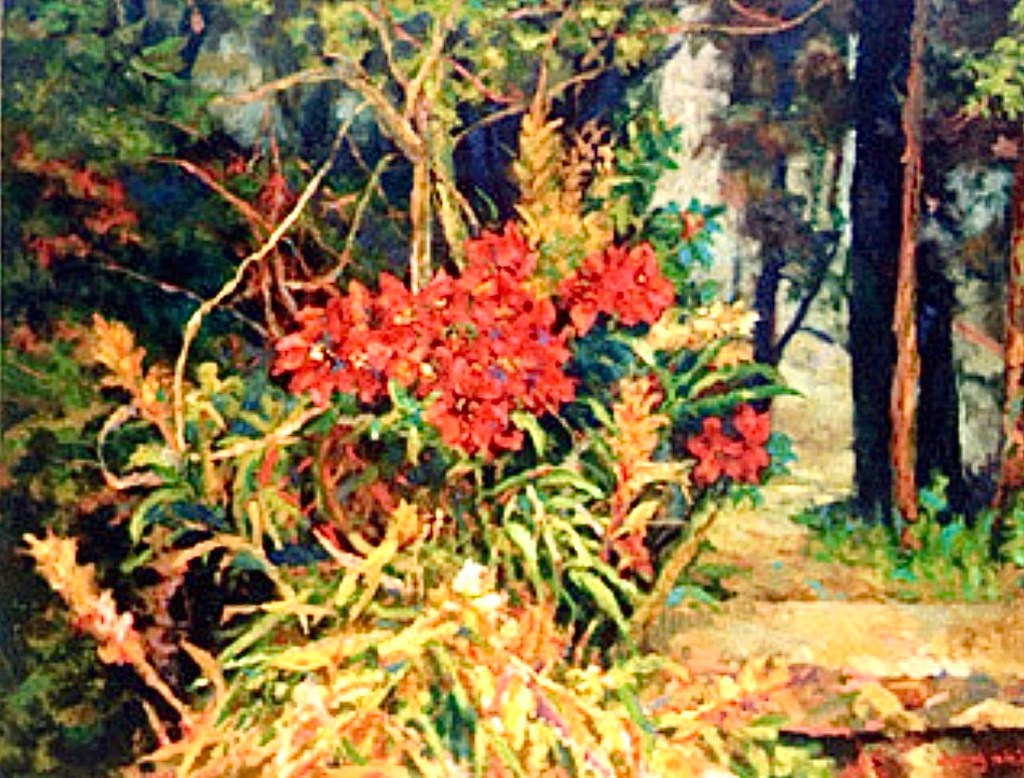
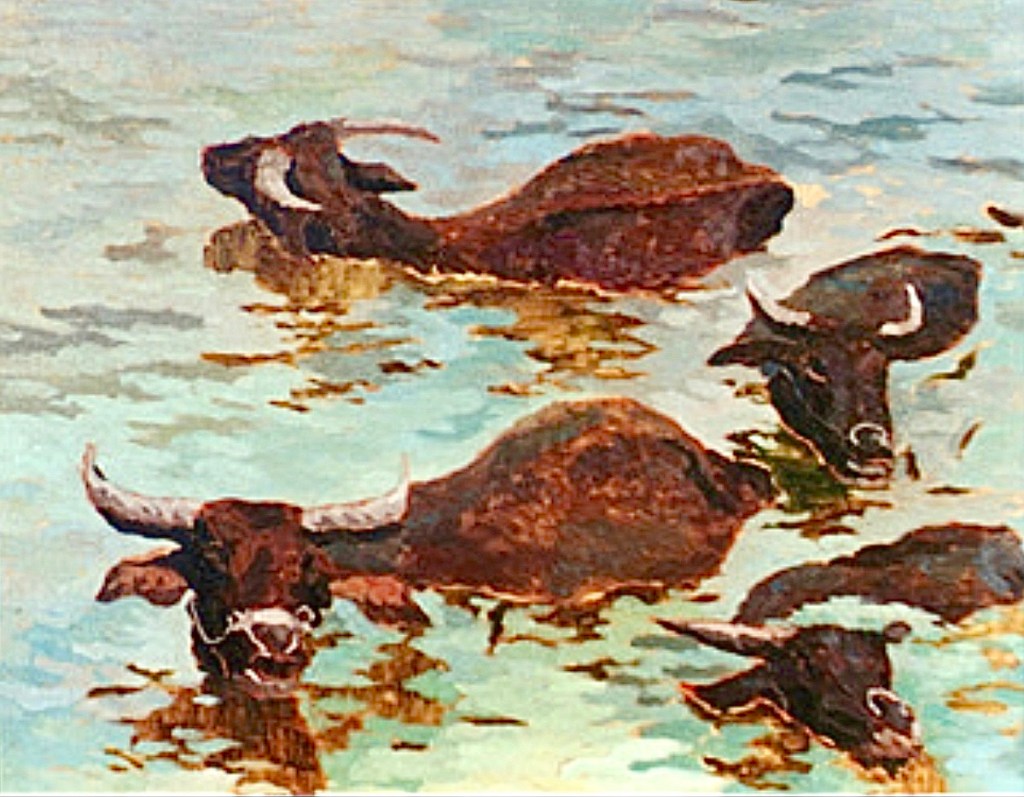
During the Impressionist period, artists’ perception of color, light, and brushwork reached unprecedented heights, redefining how reality was represented on canvas. In this painting, the artist masterfully captures the delicate interplay of natural light on leaves and flowers, using free and lively brushstrokes that evoke the shifting rhythms of nature. The colors are not merely imitative but serve as a vibrant language of expression, bringing out the vitality of the landscape through harmonious yet contrasting tones of red, green, and yellow.
The depiction of light is particularly striking—each shift in illumination reflects the artist’s keen observation of how sunlight filters through foliage, transforming its surroundings. Bright patches of golden light are juxtaposed with deep, cool shadows, giving the painting a dynamic quality, as if the landscape itself is breathing. This attention to light penetration and reflection highlights the fleeting beauty of a specific moment in time, offering the viewer a glimpse of nature in motion.
By focusing on the natural landscape of Taiwan, the artist pays homage to the island’s lush scenery and ever-shifting light patterns—scenes of dense tropical greenery, swaying bamboo groves, and fields bathed in soft afternoon light. The painting embodies a profound sense of place, celebrating Taiwan’s unique natural beauty while engaging in a broader philosophical reflection on the passage of time and the impermanence of existence.

You must be logged in to post a comment.